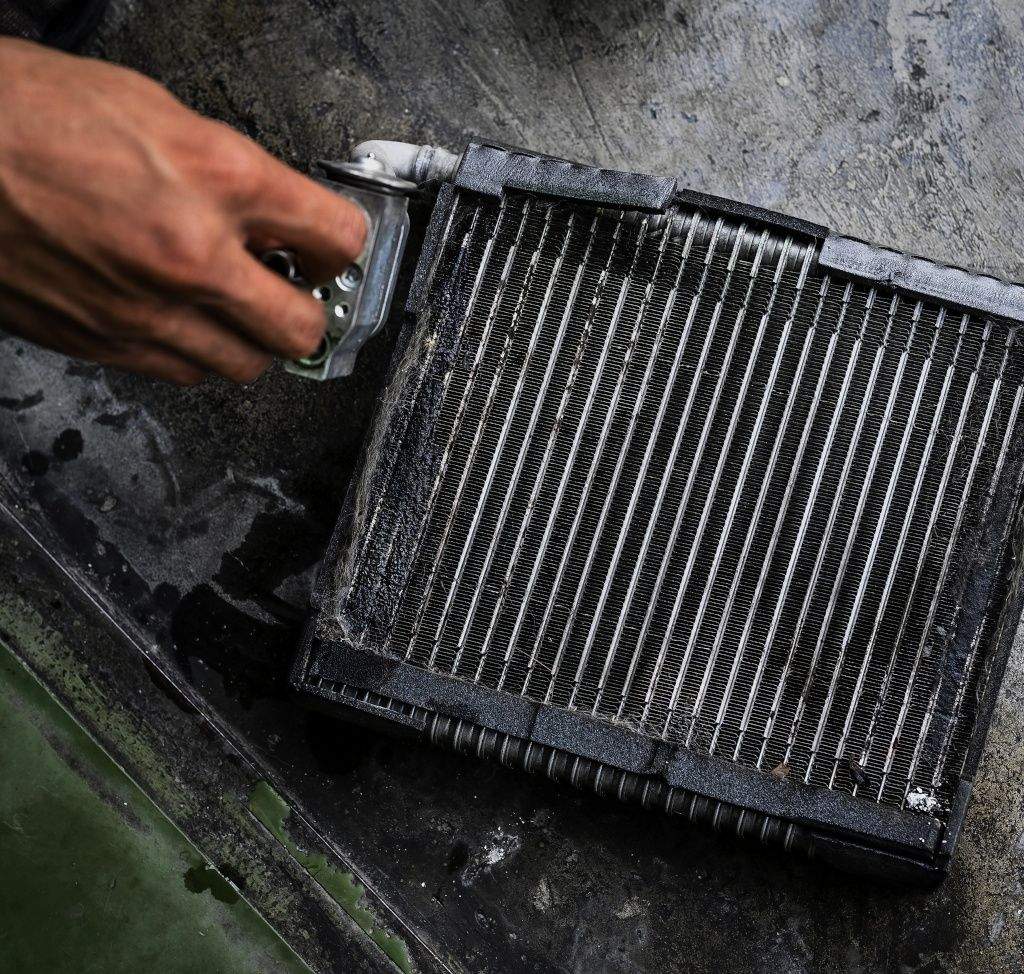


A reliable air conditioning system can make all the difference to your driving experience, whether stuck in traffic on a hot summer’s day or battling fogged-up windows on a frosty morning.
Many UK drivers forget that their vehicle’s AC needs year-round attention, not just during heatwaves. Neglecting it can lead to poor performance, costly repairs, and unpleasant odours.
We’ve created a simple, seasonal checklist to help keep your air conditioning system in peak condition.
By following these tips through spring, summer, autumn and winter, you can enjoy fresh, cool air and ensure your system runs smoothly throughout the year.
Spring – Preparing for Warmer Weather
As temperatures begin to rise, spring is the ideal time to give your car’s AC system a proper check. Start by turning it on and testing the airflow and cooling capability.
If the air is only mildly cool or there’s a musty smell, it could indicate low refrigerant levels or bacteria buildup in the system. It’s also a good idea to open the bonnet and visually inspect pipes and hoses for any signs of cracks, leaks or corrosion that may have developed over winter.
Spring is also the perfect time to replace your cabin air filter, which can become clogged with dust, pollen and other debris over the colder months.
A fresh filter improves airflow and air quality inside your vehicle, especially important for hay fever sufferers. If your AC has been largely unused over winter, run it weekly for at least ten minutes to get everything moving again.
Booking a quick system check or AC service before the warmer months arrive is a smart move to avoid any unpleasant surprises once summer hits.

Summer – Peak Usage Season
Summer is when your vehicle’s AC system works the hardest, so it’s crucial to ensure everything is in order. Start by checking that the system cools the cabin efficiently and maintains a consistent temperature.
If you notice that the air isn’t as cold as it should be or the fan is underperforming, it may be time for a top-up of refrigerant. Running your AC with low refrigerant not only reduces cooling efficiency but can also cause long-term damage to the compressor.
Using the AC regularly—even on short journeys—helps keep the seals lubricated and prevents gas from leaking.
Try not to overload the system by jumping straight to full blast on the hottest days. Instead, open the windows for a few minutes to let trapped hot air escape before switching on the AC.
Regularly cleaning the interior and keeping vents clear of dust and debris will also help maintain performance and air quality throughout the season.
Autumn – Transition and Inspection
Autumn is an ideal time to assess your AC system after a summer of heavy use. Look out for any signs of lingering issues such as weak airflow, rattling noises or unpleasant odours.
These may be symptoms of worn-out parts or mould growth in the system. It’s also a good time to check the drain tube, as a blocked one can cause water to collect and lead to unpleasant smells or even electrical issues.
Even if the AC won’t be used as frequently going forward, it’s important to keep the system active. Running the AC once a week for ten minutes prevents the seals from drying out and maintains internal lubrication.
If you suspect your AC’s performance has dropped during summer, a diagnostic check can catch issues early before they turn into costly repairs. Autumn maintenance ensures your system is in good shape before winter’s challenges roll in.

Winter – Off-Season Care
While you might not associate winter with air conditioning, your car’s AC plays a vital role in keeping the cabin comfortable and windows clear.
The system works as a dehumidifier, helping to quickly remove moisture from the air and demist your windscreen. If your windows are fogging up frequently, it could be a sign your AC needs attention.
Don’t be tempted to leave the system off all winter—it’s better to run it occasionally to keep everything in working order.
Another winter concern is the build-up of bacteria or mould in the system due to moisture and limited use. If you detect a stale or damp smell when switching on the fan, consider having an antibacterial treatment done to clean out the vents.
Keeping your AC system in operation year-round—even at reduced usage—will help extend its lifespan and ensure it’s ready to go once spring returns.
General Year-Round Tips
Beyond seasonal care, there are a few year-round habits that will keep your AC in excellent condition. Stick to the manufacturer’s recommended service intervals—typically every 1 to 2 years—and don’t ignore dashboard warning lights related to the climate control system.
These indicators can provide early warnings of developing issues, giving you time to act before things worsen.
Additionally, if you notice anything unusual, like odd noises, changes in airflow, or lingering smells, get the system checked by a professional as soon as possible.
Many issues are quick and inexpensive to fix if caught early. If you’re ever in doubt, book a full AC inspection with a specialist like BonAir to make sure your system is running efficiently, no matter the season.
Conclusion
Maintaining your car’s air conditioning system throughout the year doesn’t require much effort, but it does offer major benefits—from improved comfort and air quality to better fuel efficiency and system longevity.
By following this seasonal checklist, UK drivers can keep their AC systems reliable, clean and effective no matter the weather.
If it’s been a while since your last AC service, now’s the perfect time to book one. BonAir offers expert diagnostics, servicing and repairs to help you stay cool and comfortable on the road, all year round.