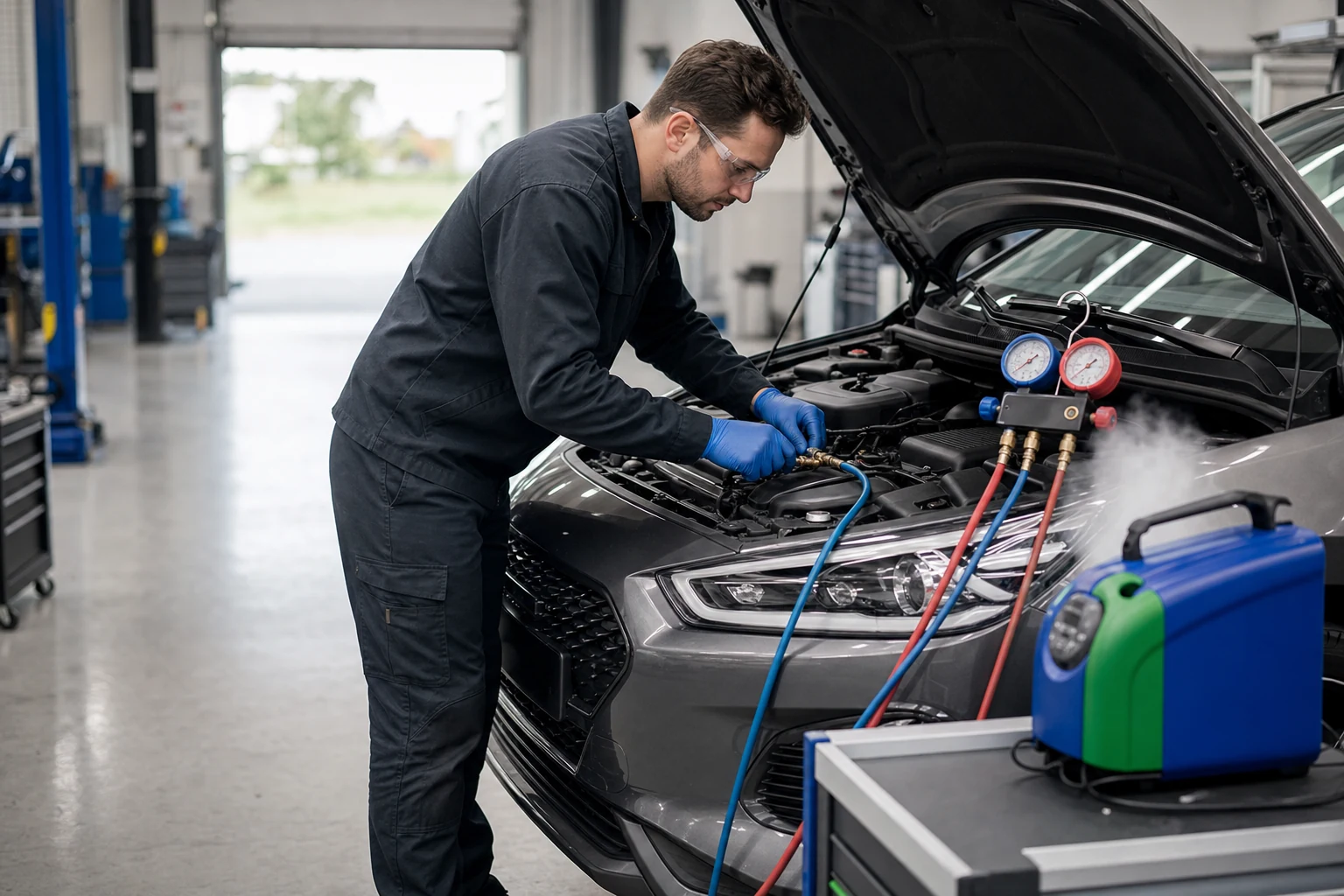


Keeping your car’s air conditioning in good working order isn’t just about regassing it every few years. Simple, routine maintenance can make a noticeable difference to how well it performs — and how long the system lasts.
With a few basic habits and easy checks, you can help your A/C run more efficiently, save on long-term repairs, and enjoy fresher, cooler air year-round.
This guide will walk you through practical tips you can carry out yourself between professional services.
You don’t need to be a mechanic — just a bit of awareness and regular attention can go a long way in preventing issues and keeping your car’s climate system in top condition.
Run Your A/C Regularly – Even in Winter
It’s a common misconception that air conditioning is only for summer. Running your A/C for about 10 to 15 minutes once a week, even during colder months, keeps the internal components moving and lubricated.
This helps prevent seals from drying out and reduces the chances of compressor failure, which can be costly to replace.
Turning on the A/C in winter also has another benefit — it helps to demist your windows faster by pulling moisture from the air. It’s a small habit that can significantly prolong the life of your system and improve safety during foggy or damp conditions.

Clean or Replace the Cabin Air Filter
The cabin air filter (also called the pollen filter) plays a key role in keeping dust, debris, and allergens from entering your car’s interior through the ventilation system.
Over time, this filter becomes clogged, which can restrict airflow and reduce the overall performance of your air conditioning.
If you notice weaker airflow, odd smells, or increased dust inside your vehicle, it could be time to clean or replace the filter.
Most filters are easy to access behind the glove box or under the dashboard. Replacing it every six months or according to your car’s manual can keep the air clean and your A/C working efficiently.
Keep the Air Vents and Dashboard Clean
Dust and debris naturally build up around your car’s dashboard and air vents, which can be pulled into the system when the fan is running.
Regularly cleaning these areas with a soft brush or a vacuum nozzle helps keep air flowing freely and prevents the buildup of dirt inside the A/C ducts.
You can also use a dashboard-friendly antibacterial spray to reduce the presence of germs and bacteria on vent surfaces.
Not only will this improve air quality, but it also reduces the chance of unpleasant smells developing over time.
Use Anti-Bacterial A/C Bombs
A/C sanitiser “bombs” are aerosol sprays designed to clean out the ventilation system and remove bacteria, mould, and mildew.
Simply set the canister off in your car with the engine running and air conditioning on recirculate mode. In about 10 minutes, the mist will travel through the system, neutralising odours and bacteria.
These treatments are particularly useful if you notice musty or stale smells when the air conditioning starts up. Using one every few months — or especially after long periods of not using the system — helps maintain a fresh interior environment and reduces the risk of respiratory irritation.
Check for Unusual Smells or Noises
Odd smells or sounds coming from your air vents shouldn’t be ignored. A musty smell could indicate mould or mildew, often due to moisture buildup in the system. Sour or sweet odours could point to refrigerant leaks or bacterial growth.
Any unusual scent is worth investigating, especially if it’s persistent.
Noises such as clicking, rattling, or high-pitched whining can suggest worn bearings, debris in the blower motor, or even a failing compressor.
While you might not be able to fix these yourself, recognising the early signs means you can get it sorted before more serious damage occurs.
Visually Inspect the A/C System Components
While you should never tamper with pressurised components, a quick visual check under the bonnet can reveal early signs of wear.
Look for signs of cracking or perishing on rubber hoses, loose connectors, oil stains around pipe joints (which may indicate refrigerant leaks), or signs of a worn drive belt.
If you’re unsure what you’re looking at, your car’s manual or a quick online search can help identify the key A/C parts.
You don’t need to diagnose problems — just noting anything unusual can help a technician quickly pinpoint issues when it’s time for a service.
Park in the Shade When Possible
Direct sunlight can cause your car’s interior temperature to soar, making the A/C work harder and take longer to cool the cabin.
Parking in the shade, using a windscreen sunshade, or opting for covered parking reduces this heat build-up and eases the strain on your air-con system.
On especially hot days, cracking the windows slightly when parked (only if safe to do so) helps hot air escape.
This can make a big difference when you start the car and use the air conditioning, meaning quicker comfort and less wear on the compressor.

Use ‘Recirculate’ Mode in Hot Weather
When temperatures rise, switching your A/C to ‘recirculate’ mode can dramatically improve performance.
Instead of drawing in hot air from outside, it recirculates the already-cooled air inside the cabin, allowing the system to work more efficiently and cool faster.
This setting is especially useful during the initial few minutes after getting into a hot car.
Once the cabin has reached a comfortable temperature, you can switch back to fresh air mode if needed. It’s a small adjustment that can enhance both performance and fuel efficiency.
Monitor A/C Performance Over Time
Keeping track of how well your A/C performs can help catch issues early. Is it taking longer than usual to cool down?
Is the airflow weaker than it used to be? Are there any odd changes in noise or odour? These subtle shifts are often early signs that something’s not quite right.
Make a note of any performance drop-offs and when they occur.
Having a basic log can be very helpful when you take your vehicle in for servicing, as it gives technicians a clearer picture of what’s happening and when the problem began.
Know When to Call the Professionals
While these DIY tips can help keep your system running smoothly, some issues are best left to certified technicians.
Tasks like regassing the system, fixing refrigerant leaks, or repairing compressors require specialist tools and knowledge, and it’s illegal to handle refrigerants without proper certification.
If your system stops blowing cold air altogether or you’re seeing clear signs of a leak, it’s time to book in with a professional.
Catching issues early often results in a quicker and cheaper fix, and gives you peace of mind heading into the warmer months.

Conclusion
Regular car A/C maintenance doesn’t have to be complicated or time-consuming.
With a few simple steps, you can improve air quality, enhance comfort, and potentially avoid expensive repairs. Staying on top of small tasks between regassing services does make a big difference.
By being proactive and observant, you can keep your car’s air conditioning in great shape for years to come.
And when it’s finally time for that next regas or inspection, you’ll know it’s in good hands — because you’ve already done your part.