

Your car’s air conditioning is not just a summer comfort. It helps keep the cabin comfortable on long journeys, supports safer driving by reducing humidity, and plays a big role when you need to demist the windscreen quickly. When the system starts to struggle, the AC compressor is often one of the first components people suspect and for good reason.
The compressor is effectively the heart of the air con system. If it is wearing out, performance can drop gradually, or fail suddenly at the worst possible time. In this guide, we’ll cover the most common warning signs, what can look like compressor trouble (but is not), and what to do next if you think your compressor is on the way out.
What the AC Compressor Actually Does
In simple terms, your air con system moves refrigerant around a sealed circuit. The compressor pressurises that refrigerant and keeps it circulating, which allows heat to be pulled from inside the car and released outside. When the compressor is weak, noisy, or not engaging properly, the whole system can feel underpowered or inconsistent.
Modern vehicles can use different refrigerants and different compressor designs, but the symptoms of compressor problems are often similar across most makes and models.
Early Warning Signs Your AC Compressor Is Struggling
The air is not as cold as it used to be
If the vents are blowing air that is cool at best, rather than properly cold, it can be an early sign of a compressor that is no longer operating efficiently. You may notice:
- Cooling takes longer than normal after starting the car
- The cabin never quite reaches the temperature you set
- Performance feels worse in traffic or when idling
Cold air comes and goes (intermittent cooling)
Intermittent cooling is a classic “something’s not right” symptom. The system might work for a short period, then fade to lukewarm, then return after restarting the engine. This can be linked to compressor wear, clutch issues (on systems that use a clutch), or pressure related faults that cause the system to cycle off.
Unusual noises when you switch the air con on
Your air con should not be loud. If turning it on introduces new noises, pay attention to what you’re hearing:
- Grinding or metallic rattling can suggest internal wear in the compressor
- Squealing may indicate belt, pulley, or clutch issues
- Clicking or clunking when the system engages can point to an electrical, clutch, or load related problem
If the noise is harsh or getting worse quickly, it is worth booking a professional inspection sooner rather than later.
The AC clutch does not engage (where fitted)
Many vehicles use an electromagnetic clutch to engage the compressor. If it fails to engage, engages then drops out, or cycles rapidly, the compressor may not be running consistently. Some newer systems use clutchless compressors, but you can still see similar behaviour as erratic cooling or unstable system pressures.
 A burning smell or hot rubber smell
 A burning smell or hot rubber smell
A hot rubber smell can suggest belt slip or overheating caused by increased load or a failing component. An electrical burning smell can indicate wiring or clutch coil issues. Either way, this is a sign to stop relying on the system and get it checked promptly.
Oily residue or visible signs of a leak
Refrigerant leaks often carry a small amount of oil, leaving a slightly greasy residue around connections, hoses, or the compressor body. Low refrigerant can reduce lubrication within the compressor, which can accelerate wear and lead to failure.
Airflow feels normal, but cooling is weak
This is an important clue. If the fan strength is fine and air is moving well through the vents, but the air is not cold, the issue is more likely to be within the air con system itself (refrigerant, compressor performance, pressures, sensors) rather than a cabin airflow problem.
Problems That Can Look Like Compressor Failure (But Often Aren’t)
It is easy to assume the compressor is at fault, but several other issues can create similar symptoms. A proper diagnosis prevents wasted time and unnecessary costs.
Low refrigerant or a slow leak
If refrigerant levels are low, cooling will drop. A recharging service may restore performance, but if there is a leak, the improvement may be short lived. This is why professional leak checking and correct charging matter.
If your system simply needs a recharge, BonAir can help with system recharging.
Blocked cabin air filter or weak blower fan
A clogged cabin filter can reduce airflow, making it feel like the air con is failing even if the system is producing cold air. If airflow is weak on all settings, it is worth checking the filter and blower performance.
Condenser problems or poor airflow at the front of the car
The condenser sits at the front of the vehicle and needs good airflow to remove heat. Stone damage, corrosion, blocked fins, or fan faults can all reduce cooling and create pressure problems that mimic compressor issues.
Expansion valve or system control issues
Air con performance relies on correct pressures and controlled expansion of refrigerant. Faulty valves or sensor issues can cause cycling, inconsistent cooling, or poor performance without the compressor being the root cause.
Common Reasons AC Compressors Fail
- Low refrigerant (often due to leaks) which can reduce lubrication and increase heat and wear
- Moisture or contamination in the system which can cause corrosion and internal damage
- Normal wear and tear as bearings, seals, and internal parts age
- Electrical faults affecting clutch operation, sensors, or control systems
- Cooling system issues such as poor condenser airflow or failed fans, creating pressure stress
- Incorrect servicing including wrong refrigerant, incorrect charge amount, or inadequate evacuation
What to Do If You Suspect Compressor Trouble
Quick checks you can do (without attempting repairs)
- Confirm the AC is switched on and the temperature is set correctly
- Notice whether cooling changes between idling and driving
- Listen for noises that only appear when the air con is on
- Pay attention to smells, especially burning or hot rubber
- Note any obvious oily residue around air con components
Why a professional diagnosis is worth it
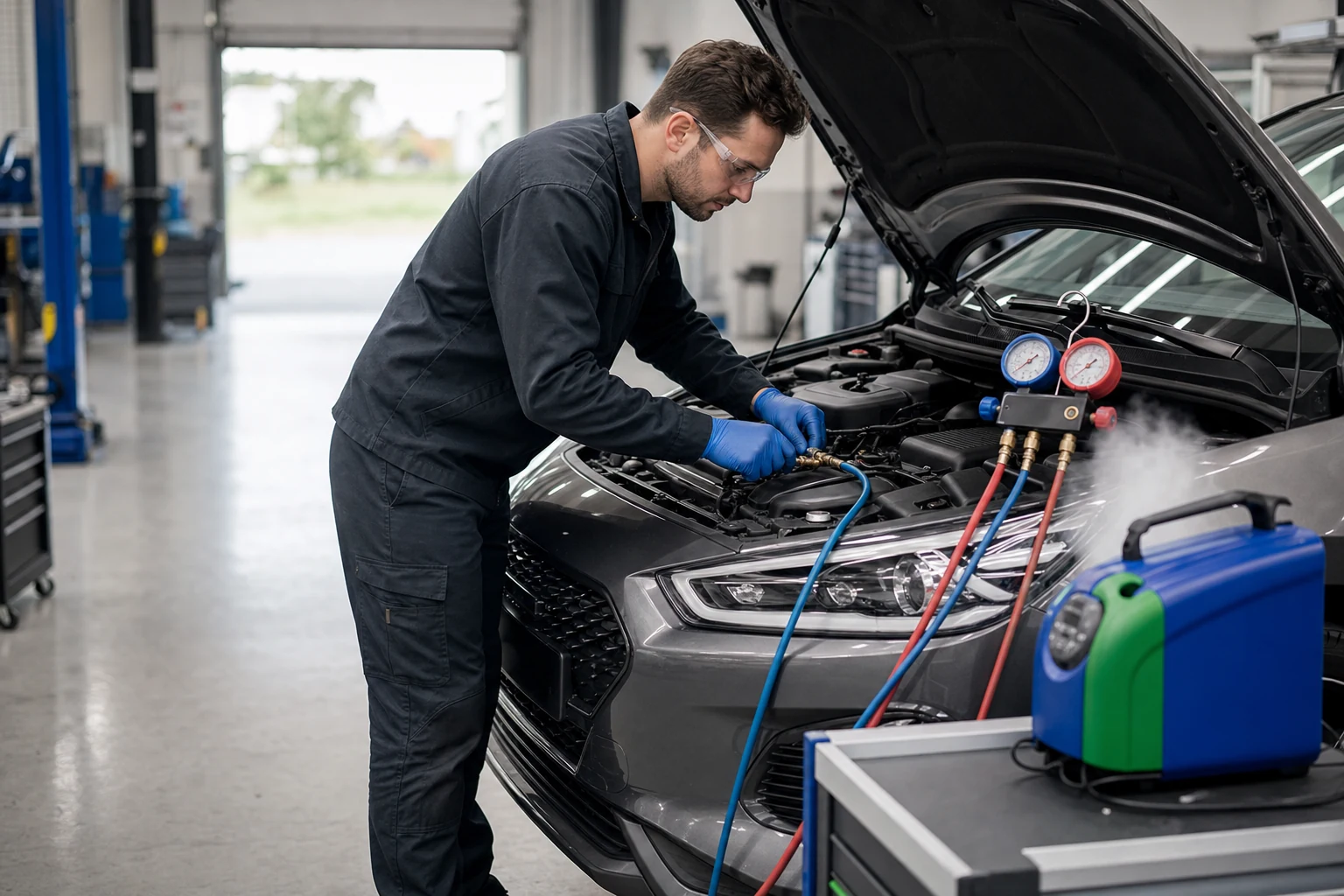
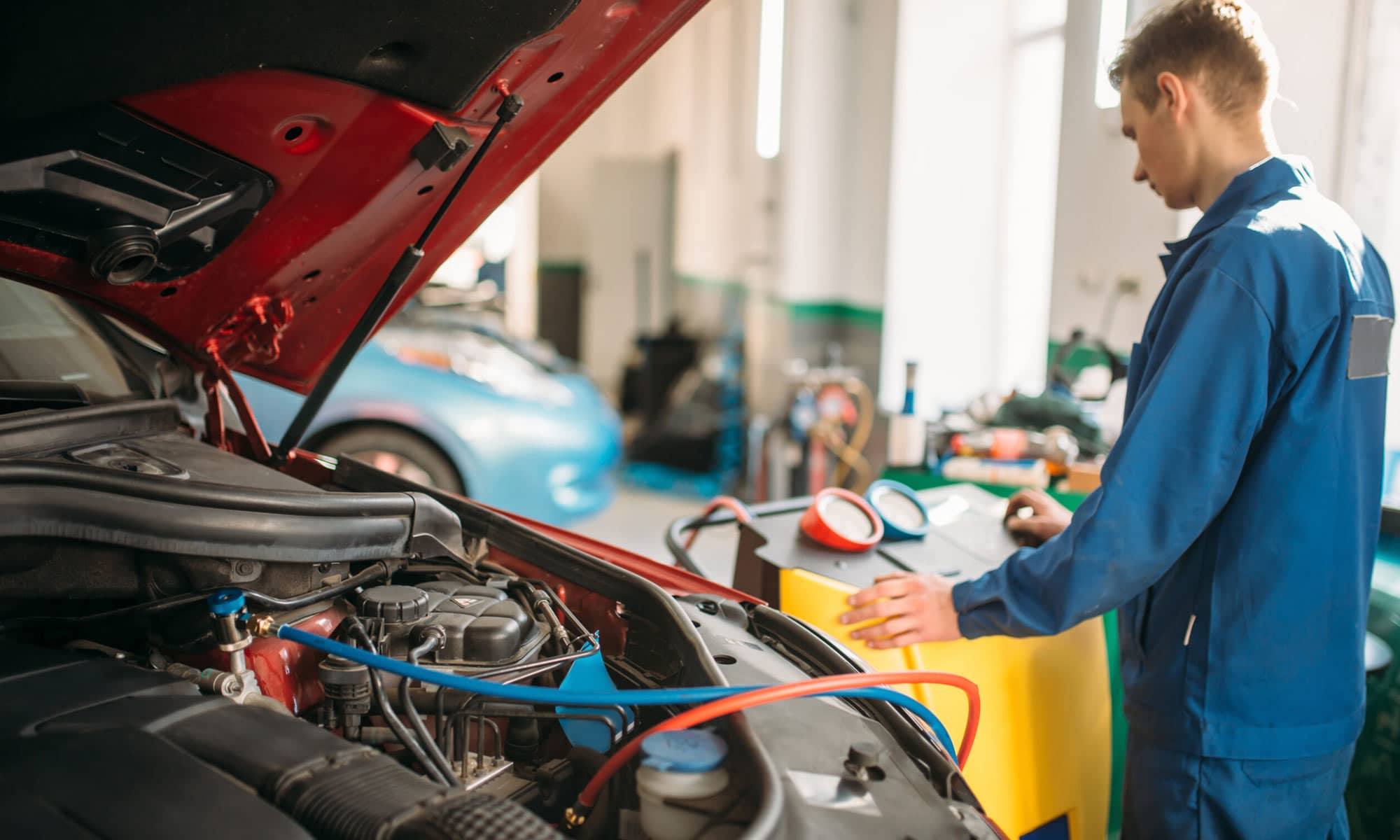
A proper diagnosis involves checking operating pressures, refrigerant quantity, system temperatures, and potential leaks. It also confirms whether the compressor is underperforming or whether another component is the real cause. This approach protects you from paying for parts you do not actually need.
If you want a thorough check, start with air conditioning system servicing, where performance and condition can be assessed correctly.
The risk of leaving it too long
A failing compressor can sometimes shed debris into the system. When that happens, repairs can become more involved because additional components may need cleaning or replacement. Acting early can help keep repair costs and downtime under control.
Repair vs Replace: What Are the Usual Options?
The right fix depends on what is actually wrong:
- If the issue is refrigerant loss, the focus should be leak detection, repair, and correct recharging.
- If the compressor is noisy, seized, or inefficient, replacement may be the most reliable long term solution.
- If the fault is in hoses or pipework, repairing the damaged section can restore performance without replacing major components.
If you suspect a leak or pipe issue, take a look at BonAir’s hose and pipe repairs service.
Modern systems may use different refrigerants such as R744 or R1234yf, and correct handling is essential for performance, reliability, and compliance.
How to Reduce the Chance of Compressor Failure
- Run the air con year round (even in winter) to circulate oil and help keep seals in better condition
- Book regular servicing so small issues are found before they become bigger problems
- Do not ignore early changes such as slower cooling, odd smells, or new noises
- Keep the cabin filter maintained to support airflow and reduce strain on the system
- Consider an anti bacterial treatment to keep the system fresher, especially if you notice musty odours
If smells or air quality are a concern, BonAir offers anti bacterial treatments designed to help keep the system cleaner and more pleasant to use.
 When to Book Your Air Con Check
 When to Book Your Air Con Check
It is worth arranging an inspection if you notice weak cooling, inconsistent performance, unusual noises, or any burning smell. Booking ahead of summer and before long trips is also a smart move, as it gives you time to fix issues before you really need the system to perform.
Need Help Diagnosing an AC Compressor Problem?
If your car’s air conditioning is not performing as it should, getting it checked early can prevent further damage and help you avoid unnecessary costs. BonAir provides specialist air con servicing, recharging, fault finding, and repairs across Essex, including Benfleet and Westcliff on Sea.
Contact BonAir to book an inspection or get advice on the next best step for your vehicle.