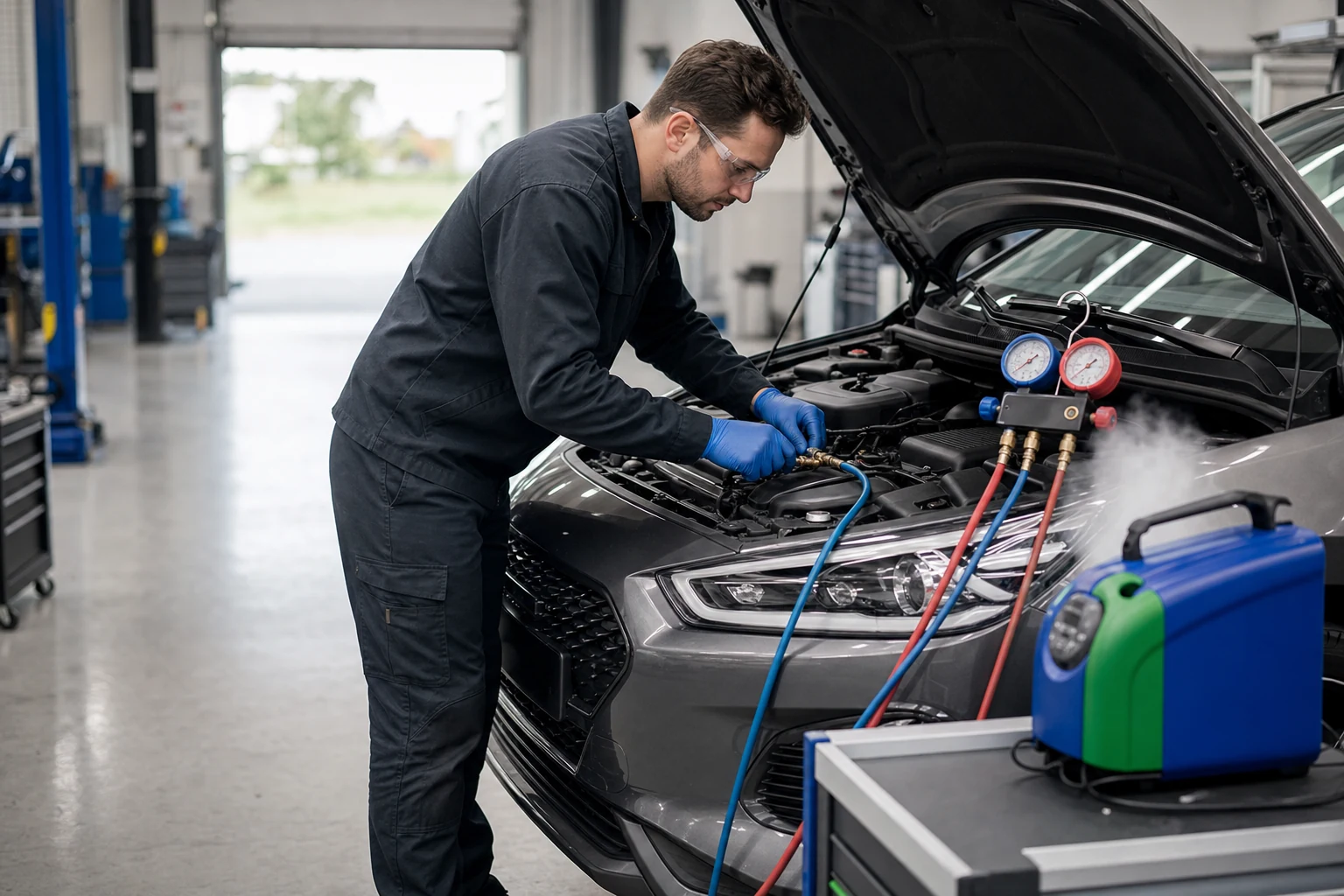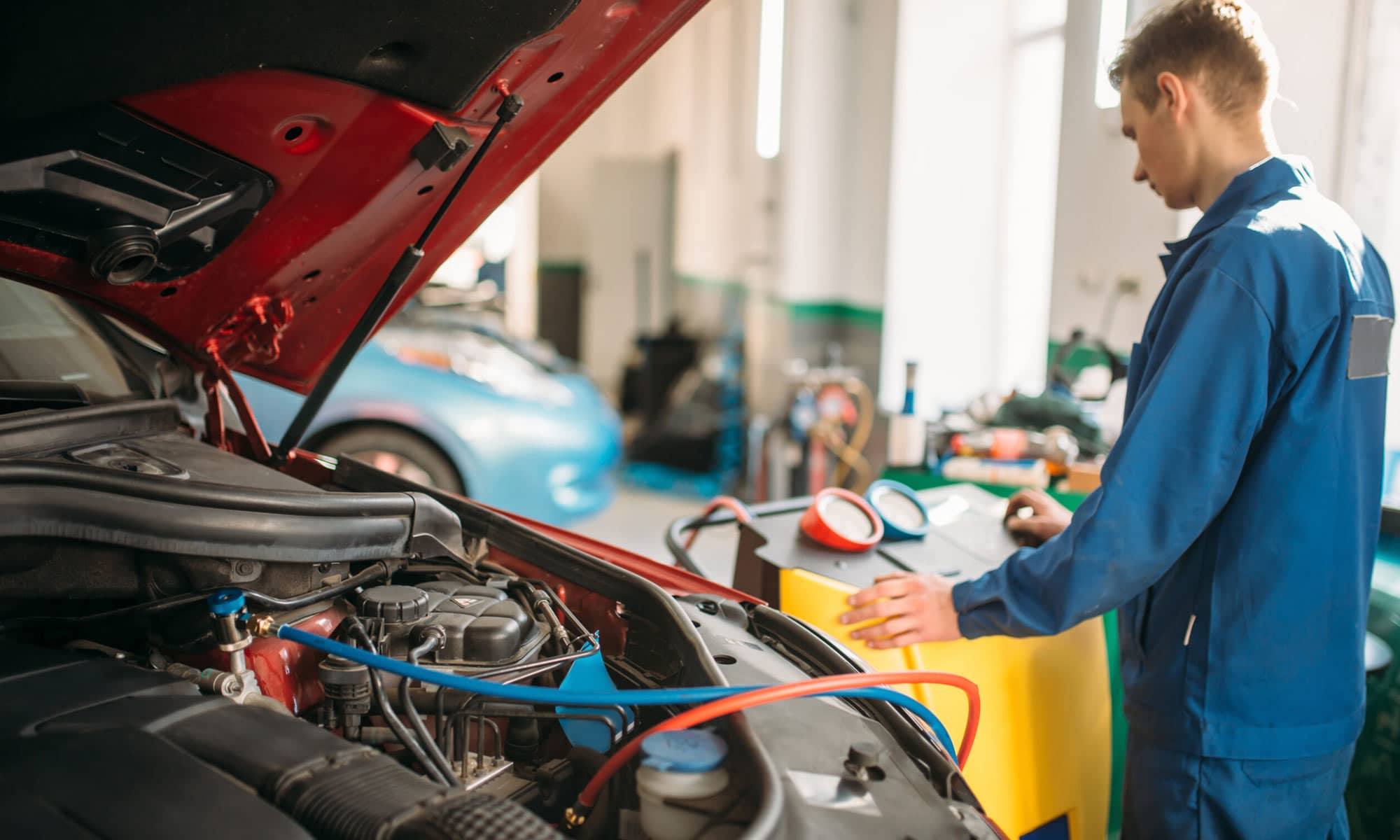


A car air conditioning system can feel simple from the driver seat. Press the button, set the temperature and cool air should arrive. When it does not, one of the most common reasons is refrigerant loss from damaged hoses or pipework.
Air con hoses work under pressure, deal with vibration every time the engine runs and age like any other vehicle part. Understanding why they leak helps you spot trouble early and avoid wasting a recharge on a system that cannot hold gas.
What air con hoses do in your car
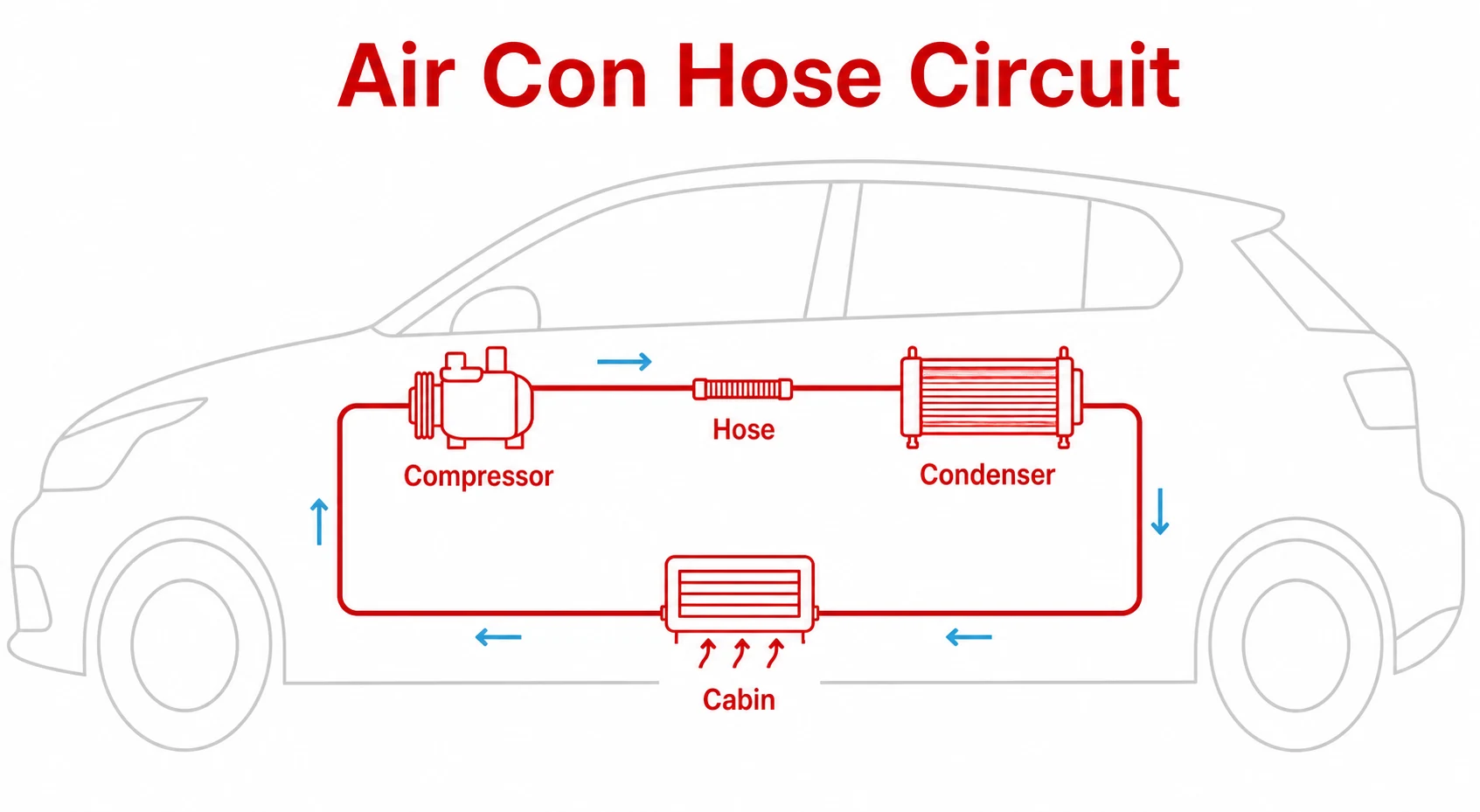
Your car air conditioning system moves refrigerant around a sealed circuit. The refrigerant changes state as it passes through the compressor, condenser, expansion valve and evaporator, absorbing heat from inside the cabin and releasing it elsewhere in the system.
Hoses and pipes connect those components. Some sections are flexible, so they can cope with engine movement and vibration. Other sections are rigid metal pipework, shaped to fit through tight areas around the engine bay and body. Together, they must keep refrigerant and oil sealed inside the system while handling pressure, heat and movement.
When a hose or pipe leaks, the system gradually loses refrigerant. Once the level drops too far, cooling performance falls away and the compressor may stop engaging to protect itself. That is why a simple recharge is not always the right answer. If the pipework is leaking, the fresh refrigerant can escape again.
BonAir explains and supports this kind of fault through its car air con hose and pipe repair service, which focuses on finding damaged sections before the system is recharged.
Why hoses and pipes start to leak
Air con hoses can fail for several reasons. Often, it is not one dramatic event, but a mix of age, vibration and wear. Rubber sections can harden over time. Metal sections can rub against nearby parts if clips or brackets loosen. Joints and seals can also become weak points as the system expands and contracts with temperature changes.
Vibration is a major factor. Every journey shakes the pipework slightly. The engine moves on its mounts, the body flexes and the road surface adds more movement. Flexible hoses are designed to absorb this, but they still have limits. If a hose is already aged, oil soaked, kinked or under strain, vibration can turn a weak spot into a leak.
Damage can also come from previous repair work. A pipe may be bent during access to another component, a bracket may not be refitted correctly or a hose may sit too close to a hot or moving part. Even a small rub mark can eventually become a pinhole leak.
Corrosion can affect metal pipework too, especially where moisture and dirt sit around joints, clamps or low points. The leak may be tiny at first, but air conditioning systems rely on being sealed. A small loss over time can still leave the cabin warm and the system undercharged.
Symptoms drivers usually notice
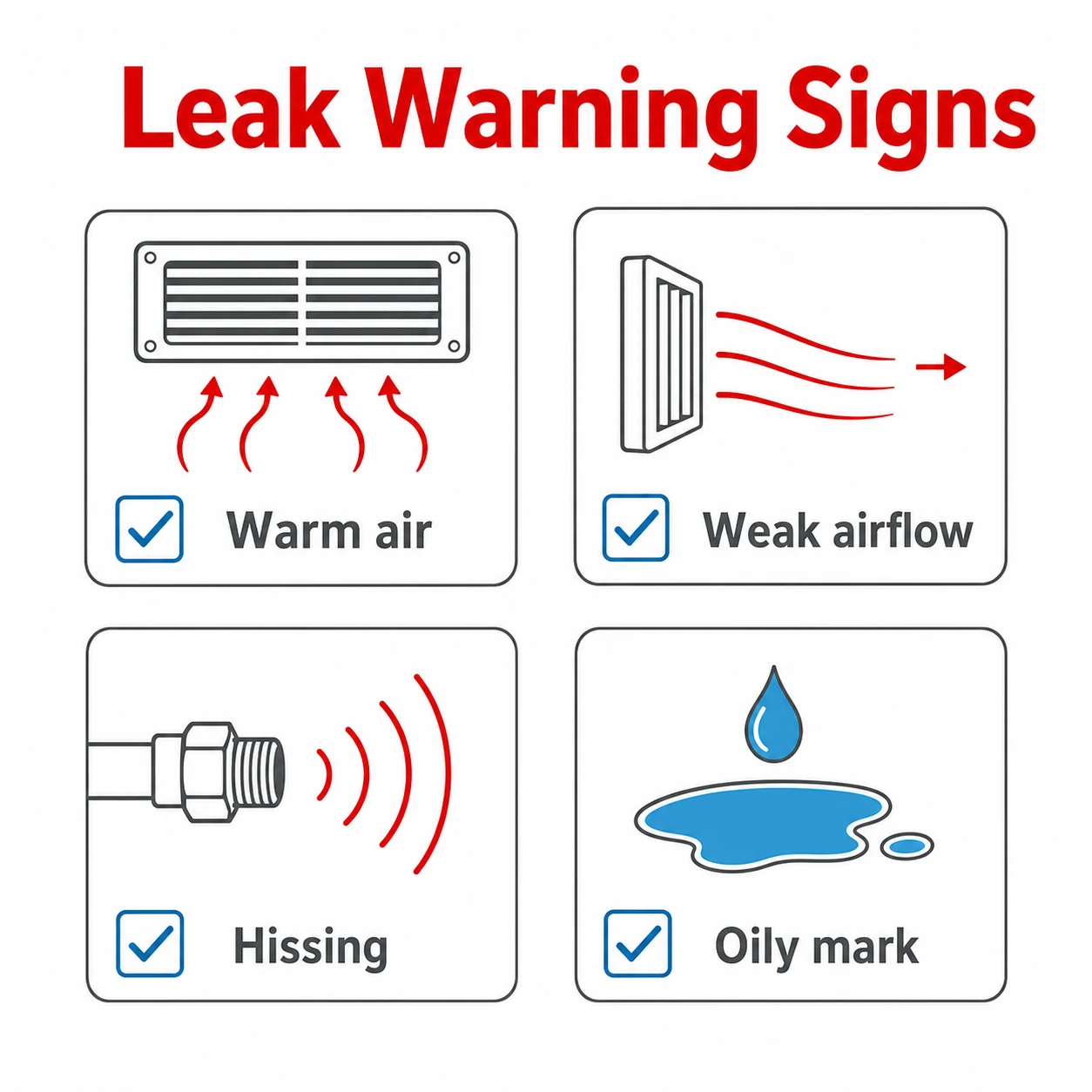
The first sign is often weak cooling. The air may feel slightly cooler than outside air, but not cold enough to make the cabin comfortable. Some drivers notice the system works briefly after a recharge, then fades again within days or weeks. That pattern is a strong clue that the refrigerant is escaping.
You may also hear the compressor clicking on and off more than usual, or not engaging at all. Modern systems often prevent compressor operation when pressure is too low, which helps reduce damage. That protective behaviour can make the fault feel sudden, even though the leak has been developing for a while.
Other signs can include oily residue around a hose, pipe joint or connector. Refrigerant itself is hard to see, but air con oil can leave a trace where a leak is present. In some cases, a specialist may also find dye from a previous service around the leak point.
If you are unsure whether your symptoms match a leak or another fault, BonAir has a helpful guide to common signs that car air conditioning repairs are needed. The key point is simple. If the system keeps losing performance after being filled, the cause needs to be found before more gas is added.
Why recharging alone may not fix the problem
Recharging is an important part of air con service, but it is not a leak repair. A recharge restores the correct amount of refrigerant only if the system can hold it. When a hose or pipe is damaged, recharging without repair is like topping up a tyre with a puncture. It may help for a short time, but it does not solve the reason the pressure is dropping.
A proper diagnosis checks whether the system is holding pressure and where the leak is coming from. This matters because refrigerant type, system design and repair method can vary between vehicles. Guesswork can lead to repeated visits and poor cooling, while a structured check gives the technician a clear path.
There is also a practical reason to repair first. Air conditioning systems need the right refrigerant charge and the right oil balance to work correctly. Running low can reduce performance and may place extra strain on parts of the system. Once a hose or pipe is repaired, the system can be evacuated, checked and recharged correctly.
For drivers comparing options, BonAir covers the broader recharge process on its car air con system recharging service. The best outcome usually comes from treating recharge as the final step after the leak has been dealt with.
How specialists repair air con hose and pipe leaks
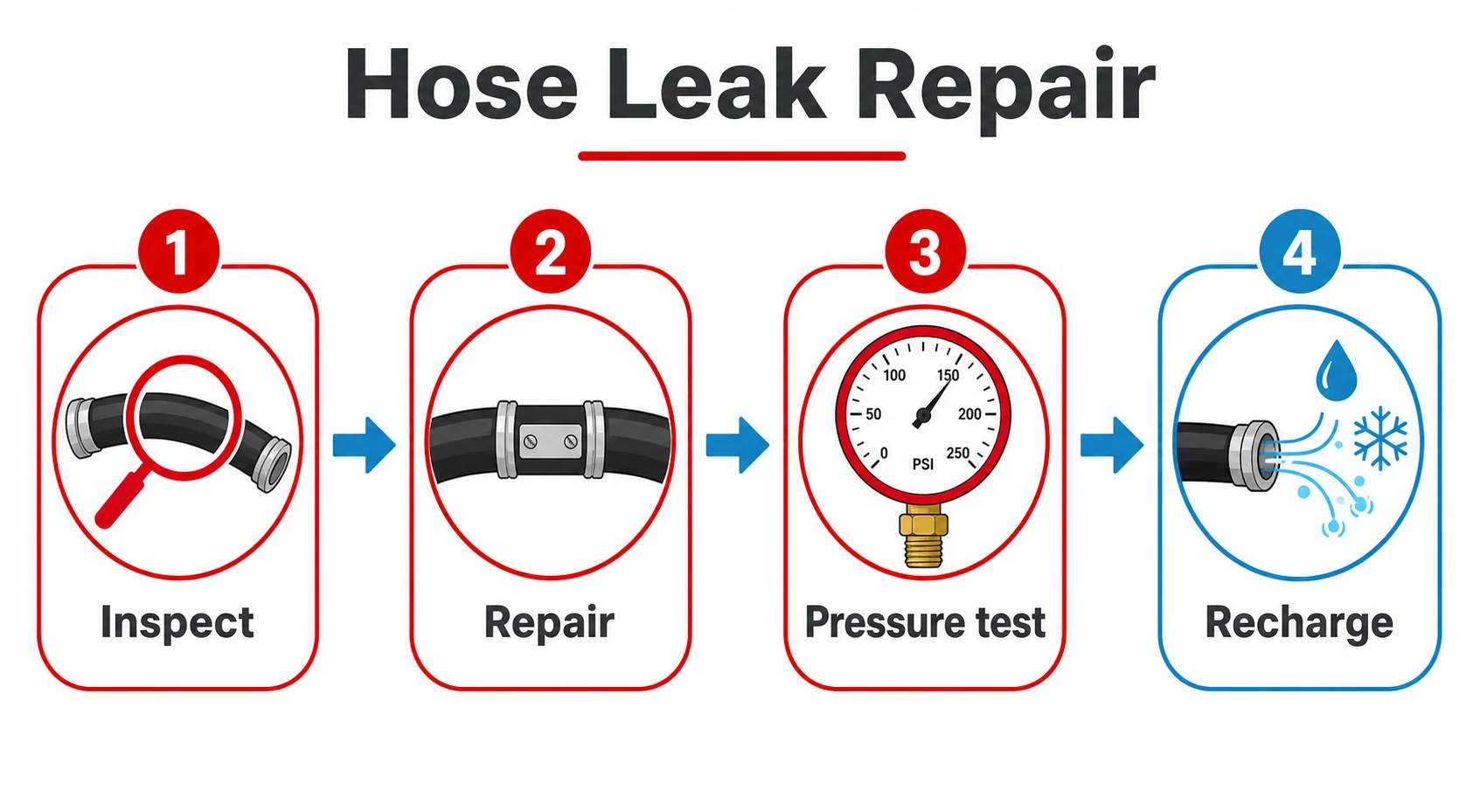
A specialist repair starts with confirming the fault. The technician may inspect visible pipework, check service ports, look for oil residue and use pressure testing or leak detection methods. The aim is to identify the leaking section, not simply assume the lowest refrigerant reading tells the whole story.
Once the leak is found, the repair depends on the condition and position of the damaged part. Some hoses can be repaired using suitable fittings and replacement sections. Some pipework may need a damaged area replaced or a connection remade. The goal is to restore a sealed, reliable path for refrigerant to move through the system.
This is specialist work because air con pipework is not ordinary plumbing. The repair has to suit refrigerant pressure, hose material, pipe diameter, routing and access. It also needs to avoid creating strain on nearby joints. A repair that fits poorly can cause another leak later, so the finished pipe or hose must sit correctly and be secured properly.
After the repair, the system should be tested again. Only then does recharging make sense. The technician can evacuate the system, remove air and moisture, add the correct refrigerant amount and check cooling performance. On vehicles using newer refrigerants, the correct handling process matters even more, and BonAir also provides support for R1234yf recharging and repair.
What drivers can do before booking a repair
You do not need to diagnose the exact pipe or hose yourself, but a few observations can help the technician. Note when the cooling first became weak, whether the system has been recharged recently and how long it stayed cold afterwards. If the cooling failed soon after a recharge, mention that clearly.
It is also worth avoiding repeated top ups when the system is known to be losing refrigerant. Repeated filling without finding the leak rarely gives a lasting fix. It can also make the real problem harder to track if different products or sealants have been added.
Do not cut, bend or tape air con pipework. The system can be under pressure and needs proper equipment to work on safely. Tape, glue and general sealants are not suitable repairs for refrigerant lines. They may hide the leak for inspection, but they will not restore the system in the right way.
If the air con is weak, intermittent or recently recharged but warm again, the most useful next step is a specialist inspection. That gives you a clear answer on whether the issue is a hose, pipe, seal, condenser or another part of the circuit.
- Air con hoses and pipes carry refrigerant around a sealed system, so even a small leak can reduce cooling.
- Vibration, age, corrosion, poor routing and damaged brackets can all lead to refrigerant loss.
- Weak cooling soon after a recharge is a strong sign that the system needs leak diagnosis, not another top up.
- Specialist hose and pipe repair restores the sealed circuit before the system is evacuated and recharged.
- Avoid temporary sealants or tape, because refrigerant lines need proper repair methods and pressure testing.
Frequently asked questions
Can a leaking car air con hose be repaired?
Yes, many leaking hoses and pipes can be repaired, depending on the damage, material and access. A specialist will inspect the leak point and decide whether a section can be repaired or whether a replacement part is more suitable.
How do I know if my air con hose is leaking?
Common signs include weak cooling, cooling that disappears soon after a recharge, the compressor not engaging and oily residue near hoses or pipe joints. A proper leak test is the best way to confirm it.
Should I recharge my air con before fixing a leak?
Usually no. If the system has a leak, fresh refrigerant can escape again. The leak should be found and repaired first, then the system can be evacuated, tested and recharged correctly.
Is it safe to use air con leak sealant?
It is better to get the system inspected by a specialist. General sealants are not a substitute for proper hose or pipe repair and may not suit the design or condition of the system.
Need a clear answer on an air con leak?
If your car air conditioning has gone warm, keeps losing gas or failed soon after a recharge, BonAir can inspect the system and repair damaged hose or pipework before recharging it properly.