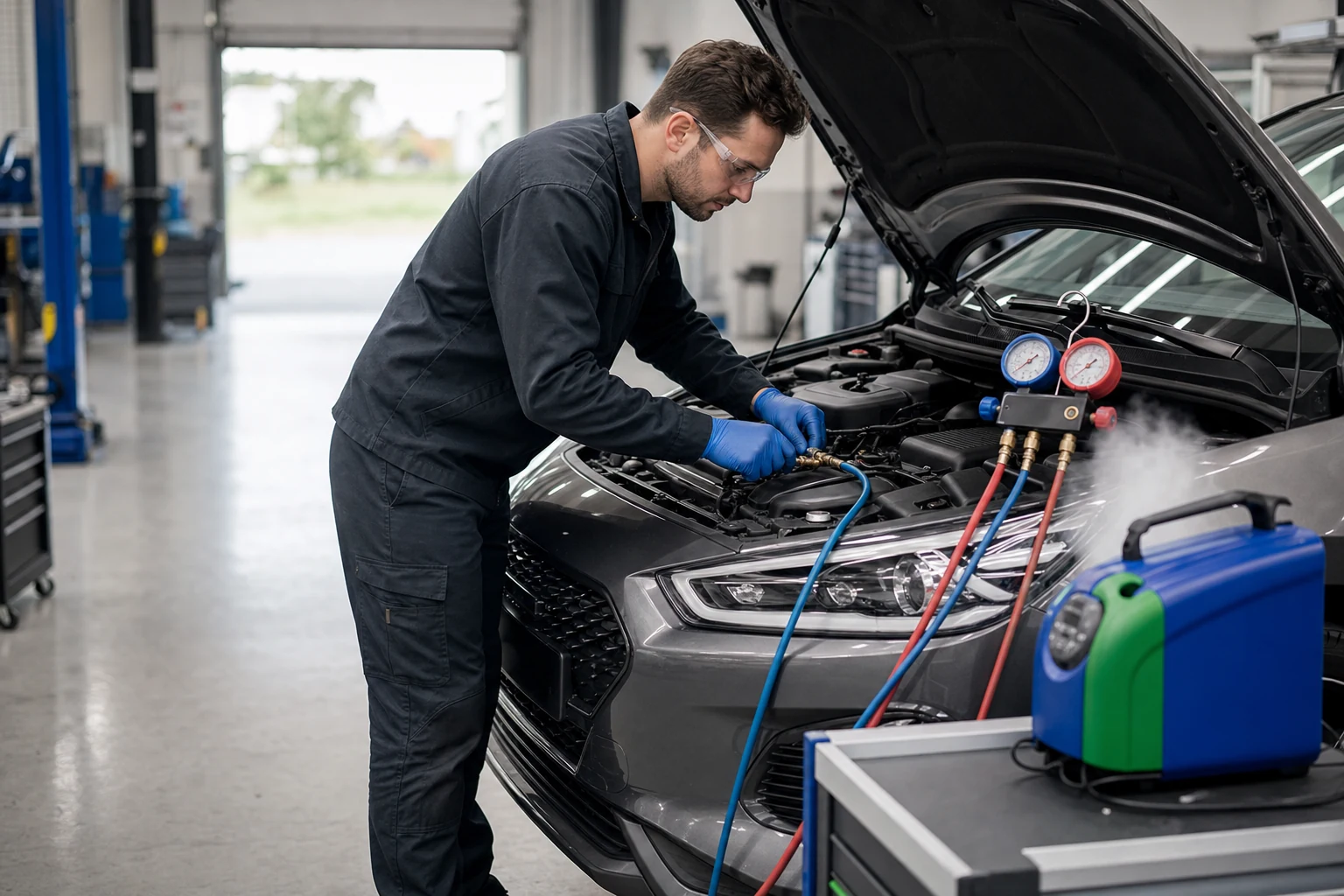


When it comes to vehicle maintenance, many of us focus on engine performance, tyre condition and oil changes and forget about the air conditioning (AC) system. But a well-working AC system is crucial for comfort and air quality, especially during hot summers or long journeys.
At the heart of this system is the cabin air filter – a small but vital component that ensures clean air gets into your vehicle’s interior.
Despite its importance, the cabin air filter is often neglected and can lead to poor airflow, unpleasant odour and even strain on the AC system. Understanding how this filter works and why it needs maintenance can help you have a healthier and more comfortable driving experience.
In this blog we’ll look at the role of the cabin air filter, how it affects your AC system, signs it needs replacing and the benefits of keeping it clean.
What is a Cabin Air Filter?
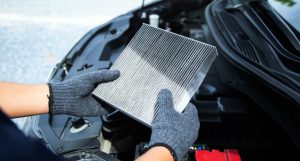
A cabin air filter is a special filter that cleans the air that enters your vehicle through the heating, ventilation and air conditioning (HVAC) system. It traps dust, pollen, dirt and other airborne contaminants to ensure the air in the cabin is fresh and free from harmful particles.
This is especially important for people who have allergies or respiratory issues as a good filter can significantly reduce exposure to allergens.
Located behind the glovebox, under the dashboard or in the engine bay the cabin air filter plays a vital role in air quality. Without it, pollutants and debris from the outside environment can easily get into the vehicle making the air inside as dirty as the air outside.
Keeping this filter clean is not just about comfort – it’s about health and safety.
How Does a Cabin Air Filter Affect Your AC System?
A clean cabin air filter allows for smooth airflow through the AC system so cool or warm air can be distributed efficiently throughout the cabin.
When the filter is in good condition the system doesn’t have to work as hard to regulate temperature so there’s improved energy efficiency and performance.
In short regular maintenance of the cabin air filter can boost your vehicle’s AC efficiency and prevent unnecessary stress on the system.
On the other hand, a clogged or dirty cabin air filter can have the opposite effect. When the filter is blocked with dirt and debris it restricts airflow and makes the AC blower motor work harder.
This reduces cooling efficiency and can cause overheating and damage to the AC system. A dirty filter can also cause unpleasant odours inside the vehicle as trapped particles start to decompose over time.
Signs That Your Cabin Air Filter Needs Replacing
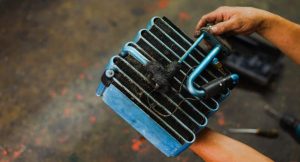
One of the most obvious signs that your cabin air filter needs replacing is reduced airflow from the vents. If you notice your AC system isn’t cooling as well as it used to even at the highest setting it could be due to a clogged filter restricting the airflow.
Another common indicator is increased dust inside the cabin as a worn-out filter will struggle to trap airborne particles and they’ll settle on your dashboard and seats.
Also if you detect a musty or unpleasant odour inside your vehicle it could be a sign that your cabin air filter is overdue for a change. Over time the filter can become damp and collect bacteria or mould which then circulates through the AC system.
Unusual noises from the AC blower or an increase in allergy symptoms while driving are also signs that it’s time to check and replace your cabin air filter.
How Often Should You Replace Your Cabin Air Filter?
Most manufacturers recommend replacing the cabin air filter every 12,000 to 15,000 miles or at least once a year. However, this can vary depending on your driving conditions.
If you drive in urban areas with high pollution levels or through dusty environments your filter will need to be changed more often.
If you drive in the countryside during peak pollen seasons your filter will clog up faster than expected.
Check your vehicle’s manual to determine the recommended replacement interval for your specific model. If you notice any of the signs mentioned above it’s a good idea to check the filter regardless of mileage.
Keeping up with this simple maintenance task can save you from bigger AC issues down the line.
Benefits of Cabin Air Filter Maintenance
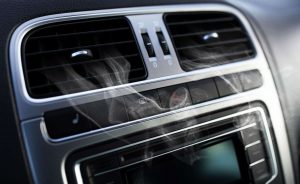
Replacing your cabin air filter ensures you and your passengers are breathing clean filtered air free from dust, pollen and harmful pollutants. This is especially beneficial for people with allergies, asthma or other respiratory conditions.
A fresh filter also eliminates odours making the driving experience more pleasant especially during long journeys or in humid weather.
Besides improving air quality maintaining a clean cabin air filter improves your vehicle’s AC efficiency.
When the system doesn’t have to work harder than necessary it consumes less energy reduces strain on the blower motor and potentially extends its life. In the long run, this can prevent costly AC repairs and improve overall vehicle performance.
How to Replace a Cabin Air Filter (Optional DIY Section)
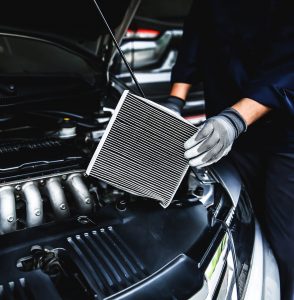
Replacing a cabin air filter is a relatively simple task that most car owners can do themselves. In most cases, the filter is located behind the glovebox or under the dashboard making it easily accessible.
By consulting your vehicle’s manual you can find specific instructions on how to remove and replace the filter. The process involves opening the filter housing, removing the old filter and inserting a new one in its place.
However, if you’re unsure or uncomfortable doing this task a professional mechanic can replace it during routine maintenance. It’s a small investment that can make a big difference in air quality and AC performance.
Whether you do it yourself or have it done by a professional ensuring your cabin air filter is clean will help maintain a comfortable and healthy environment inside your car.
Conclusion
The cabin air filter is an often overlooked component of your vehicle’s AC system. By trapping dust, pollen and pollutants it plays a vital role in keeping the air inside your car fresh and clean.
Neglecting this filter can cause poor airflow, bad odours and increased strain on your AC system potentially resulting in costly repairs.
Regular maintenance and timely replacement of your cabin air filter will not only improve air quality but also improve your vehicle’s AC system.
Whether you drive frequently in the city or on countryside roads keeping this small but essential part in check will ensure a more comfortable and healthier driving experience.
If you haven’t checked your cabin air filter recently now might be the perfect time to do so.