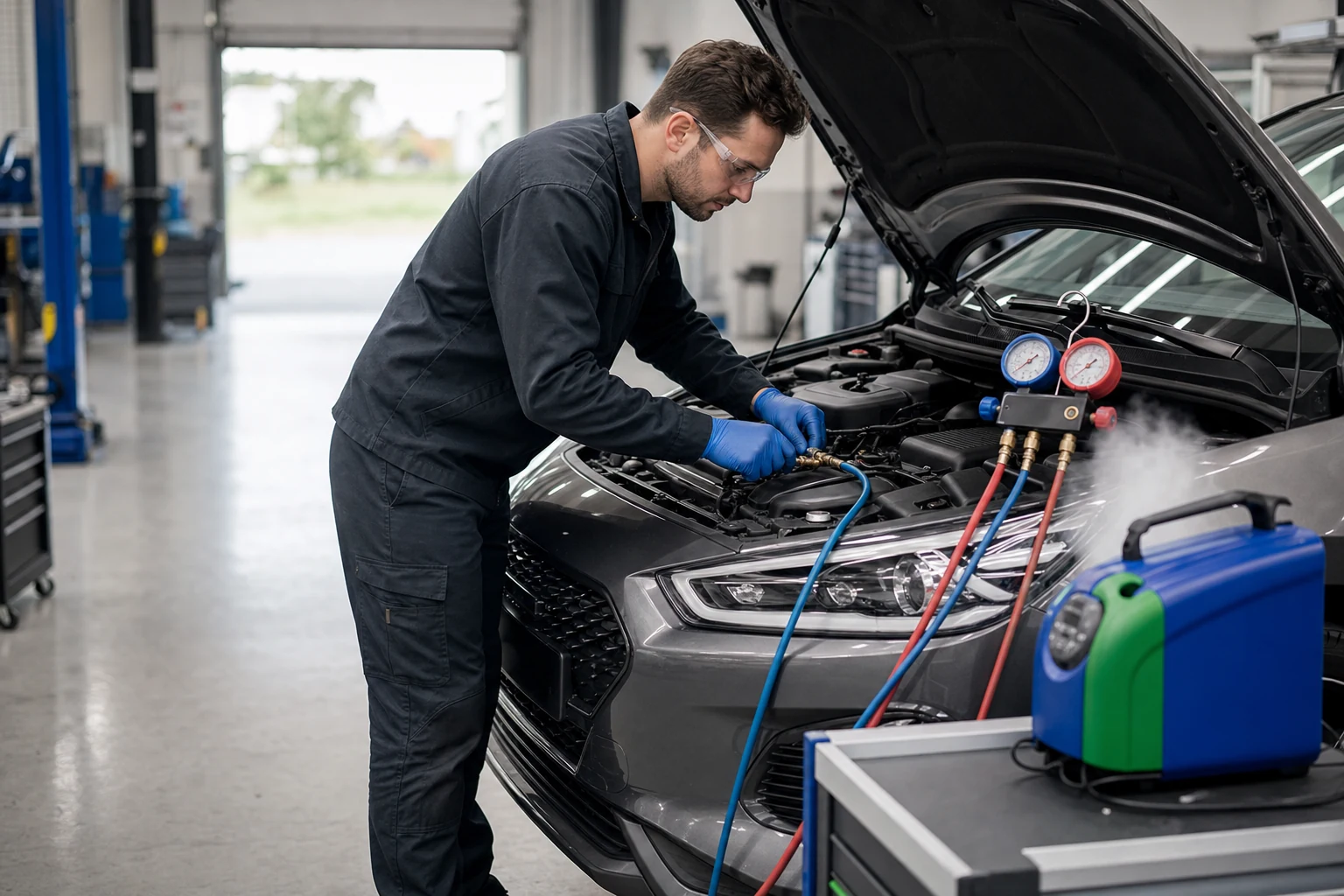


A well-functioning car air conditioning system is essential for comfort, especially during hot summer months. The refrigerant in your AC system is responsible for cooling the air before it reaches your vents, ensuring a pleasant driving experience. However, many drivers are unsure of how often their air conditioning system needs to be recharged. In this blog, we’ll discuss the signs that indicate a recharge is needed, how often you should get one, and the importance of maintaining your car’s AC system.
How Does a Car's Air Conditioning System Work?
Your car’s air conditioning system relies on refrigerant to absorb heat from the air and cool it before circulating it into the cabin. The system consists of several key components:
Compressor – Pressurises the refrigerant and circulates it through the system.
Condenser – Helps dissipate heat and condenses the refrigerant into a liquid.
Expansion Valve – Regulates the flow of refrigerant into the evaporator.
Evaporator – Absorbs heat from the air, cooling it before sending it into the cabin.
Over time, refrigerant levels can decrease due to natural loss or leaks, which can reduce the efficiency of your AC system.
Signs That Your Air Conditioning Needs a Recharge
If you notice any of the following issues, your car’s air conditioning system may need a recharge:
Weak or warm airflow – If the air coming from your vents isn’t as cold as it used to be, it could indicate low refrigerant levels.
Unusual noises – A hissing or bubbling sound may suggest a refrigerant leak.
Musty or unpleasant odours – This can be a sign of bacterial growth in the system due to moisture buildup.
Increased fuel consumption – A struggling AC system can put extra strain on the engine, leading to higher fuel consumption.
How Often Should You Recharge Your Car’s AC?
There is no one-size-fits-all answer to this question, as the frequency of AC recharges depends on several factors, including:
General recommendation – Most experts suggest recharging your AC system every 2–3 years.
Vehicle usage – Frequent use of air conditioning in hot climates may lead to a faster depletion of refrigerant.
Manufacturer guidelines – Always check your vehicle’s manual for specific recommendations.
Potential leaks – If your AC loses cooling power quickly, it may have a leak that requires professional repair.
Consequences of Delaying an AC Recharge
Ignoring your car’s AC recharge needs can lead to several problems:
Reduced cooling efficiency – Warm air and poor airflow can make driving uncomfortable.
Compressor damage – Low refrigerant levels force the compressor to work harder, leading to costly repairs.
Environmental impact – Leaking refrigerant can be harmful to the environment if not properly handled.
Professional vs DIY Air Con Recharge
While there are DIY air conditioning recharge kits available, professional servicing is often the best option:
Professional benefits:
Technicians can detect leaks and other underlying issues.
Correct refrigerant levels ensure optimal system performance.
Proper handling of refrigerants reduces environmental risks.
DIY risks:
- Overcharging can damage the AC system.
- Using the wrong type of refrigerant can lead to costly repairs.
- It may not address underlying leaks or issues.
Tips for Maintaining Your Car’s AC System
To keep your air conditioning system in top condition, follow these maintenance tips:
Run your AC regularly – Even in winter, turning on your AC for a few minutes helps keep seals and components lubricated.
Clean or replace the cabin air filter – A clogged filter can reduce airflow and cooling efficiency.
Schedule regular servicing – Professional checks can identify potential problems early and prevent costly repairs.
Summary
Recharging your car’s air conditioning system every 2–3 years is a good rule of thumb, but it’s essential to monitor signs of low refrigerant and address any issues promptly. Regular maintenance not only keeps you comfortable on the road but also extends the lifespan of your AC system.
If your car’s AC isn’t performing as it should, consider booking a professional air conditioning service with BonAir to ensure your system remains efficient and reliable.