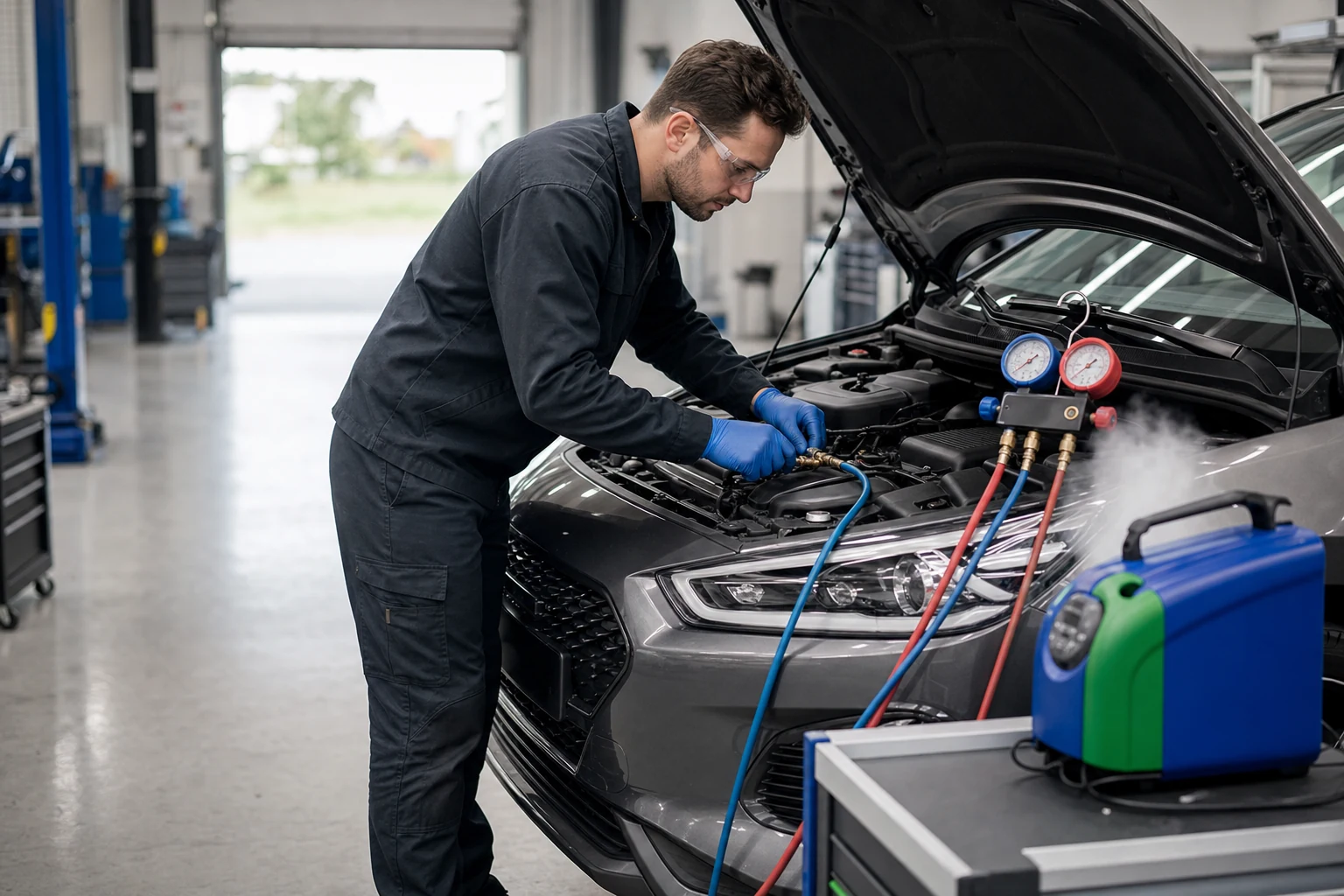


A reliable car air conditioning system is essential for ensuring comfort and safety throughout the year. From keeping you cool during the sweltering summer months to helping clear foggy windows in winter, your air conditioning plays a vital role in your driving experience.
However, the performance and maintenance needs of your car’s air conditioning system can vary significantly with the changing seasons.
Understanding how seasonal changes impact your air conditioning system can help you maintain its efficiency and prolong its lifespan.
By addressing the unique challenges posed by each season, you can ensure that your car remains comfortable and functional, no matter the weather.
The Effects of Summer on Air Conditioning Performance
Summer is the season when your car’s air conditioning system is under the most pressure. High temperatures increase the demand for cooling, which can strain the system and reduce its efficiency.
Over time, this heavy usage can lead to problems such as refrigerant leaks or wear and tear on components like the compressor.
To keep your air conditioning performing optimally during summer, it’s essential to have it serviced regularly and ensure refrigerant levels are topped up.
Simple steps, such as parking in the shade and using window shades, can also reduce the load on your system and improve its efficiency during the hottest months.

Winter Challenges for Air Conditioning Systems
During winter, air conditioning systems are often used less frequently, which can lead to issues such as drying out of seals or stagnation of the system’s components.
This can result in reduced efficiency or even damage to the system. Furthermore, many drivers are unaware that air conditioning is highly effective at defogging windows, improving visibility during cold, damp weather.
To keep your system in good condition throughout winter, it’s a good idea to run it periodically, even if you don’t need cooling.
This practice helps to circulate refrigerant and prevent the seals from drying out, ensuring the system remains ready to function when needed.
Spring and Autumn: Transitional Impacts
Spring and autumn bring fluctuating temperatures, which can make it difficult to know when to use your air conditioning. In spring, increased pollen levels can clog your air filters, reducing air quality and system performance.
This is particularly important for those with allergies, as a clean system can significantly improve comfort during drives.
Autumn, with its falling leaves and damp conditions, can also introduce debris into the system, potentially blocking vents or affecting airflow.
Regular checks and servicing during these transitional seasons can help address these issues, ensuring that your air conditioning system remains in peak condition.
Maintaining Air Conditioning Performance Year-Round
To ensure consistent air conditioning performance, regular maintenance is key.
Scheduling a professional service at least once a year can help identify potential issues early, such as low refrigerant levels or worn components. This proactive approach can prevent minor problems from escalating into costly repairs.
Cleaning or replacing air filters and checking for leaks are simple yet effective ways to maintain your system.
By staying on top of routine maintenance, you can ensure that your air conditioning system continues to deliver optimal performance, regardless of the season.

Tips for Seasonal Air Conditioning Care
Using your air conditioning system regularly, even in winter, is a simple yet effective way to keep it in good condition.
This prevents stagnation and ensures that components such as seals and compressors remain lubricated. Avoid overloading the system during summer by cooling your car gradually rather than blasting the air conditioning immediately.
Professional maintenance checks are essential for long-term care.
These checks should be scheduled before summer and winter to prepare the system for peak usage. Simple habits like running the system occasionally during off-peak seasons can also help extend its lifespan and maintain its efficiency.
Conclusion
Seasonal changes can have a significant impact on your car’s air conditioning system, influencing both its performance and maintenance needs.
From the heavy demands of summer to the potential stagnation of winter, understanding these challenges can help you take better care of your system.
By addressing seasonal issues proactively and scheduling regular maintenance, you can ensure that your air conditioning system functions effectively all year round.
With a little attention and care, you can enjoy comfortable, worry-free driving no matter the weather.