

Older cars are still a familiar sight on UK roads, and for many drivers, they remain perfectly reliable day to day.
When the air conditioning stops working, though, it often triggers a moment of hesitation. Is it sensible to spend money on comfort in a car that has already seen a few years of service, or is it a repair best left undone?
The answer is rarely a simple yes or no. It tends to depend on how the car is used, what the underlying fault appears to be, and how much value the owner places on comfort and convenience.
For some, working air conditioning is a luxury. For others, it quietly makes driving easier and safer all year round.
What Counts as an Older Vehicle
The idea of an older vehicle is more flexible than it first sounds. Age on paper does not always tell the full story.
A car that is ten or twelve years old but has been serviced regularly may still be in far better condition than a newer model that has been neglected.
Mileage, ownership history and overall mechanical health often matter more than the registration year. If the engine, suspension and brakes are sound, an ageing car can still have several dependable years ahead of it.
In those cases, dismissing an air con repair purely because of age may be a little short sighted.
Common Air Con Problems in Older Cars
As vehicles get older, air conditioning systems naturally begin to show wear. Rubber seals can dry out, metal components may corrode, and small leaks often develop slowly over time.
These issues tend to reduce performance rather than cause a sudden failure.
More serious problems can also appear, such as compressor wear or condenser damage. These faults usually bring clearer symptoms, like unusual noises or consistently warm air.
Some problems are relatively minor, while others may suggest the system is nearing the end of its working life.
Typical Repair Costs and What Influences Them
The cost of repairing a car’s air conditioning varies widely, which is why it can be challenging to determine whether it is worth doing.
A simple regas is usually inexpensive, while diagnosing and fixing a leak can cost more depending on where the fault lies.
Vehicle make and model also play a part. Some cars have easily accessible components, while others require more labour to strip down.
The type of refrigerant used also matters, as newer gases are more expensive and may influence whether a repair is still reasonable on an older car.
When Fixing the Air Con Often Makes Sense
Repairing the air con often makes sense if the car is used regularly. Daily commuting, long motorway journeys or regular trips with passengers can all make a working system feel less like a luxury and more like a necessity.
Comfort has a habit of becoming more important the longer you spend behind the wheel.
It may also be worth fixing if the rest of the vehicle is in good shape. When a car has been reliable and has no major looming repairs, sorting the air con can help extend its useful life.
In these cases, the cost can feel justified when spread over years of continued use.
When It May Not Be Worth Repairing
There are situations where repairing the air conditioning is harder to justify. If the car has a low market value and is already facing other expensive repairs, putting more money into comfort alone may not feel sensible.
At a certain point, costs begin to outweigh benefits.
Some owners also choose to live without air conditioning if the repair involves replacing major components.
When the price approaches a significant portion of the car’s value, it may suggest that funds are better set aside for a replacement vehicle rather than ongoing fixes.
Comfort, Safety and Practical Use
Air conditioning does more than cool the cabin on warm days. It plays a role in keeping windows clear, particularly during damp or cold weather.
This can improve visibility and reduce the time spent waiting for a windscreen to demist on early mornings.
There is also the matter of driver comfort and concentration. A stuffy or humid cabin can make long journeys more tiring, especially in traffic.
Even in an older car, these practical benefits may suggest that a repair is worth considering rather than dismissing outright.
Temporary Fixes and Partial Solutions
Some drivers opt for temporary solutions, such as a short term regas, to restore performance for a while.
In certain cases this can be perfectly reasonable, particularly if the system only loses refrigerant slowly and the car is not expected to be kept for many more years.
That said, repeated short term fixes can become frustrating. If the system needs regassing every year, it may indicate a leak that really needs addressing. Over time, these small costs can quietly add up to more than a proper repair would have done.
Getting the System Properly Checked
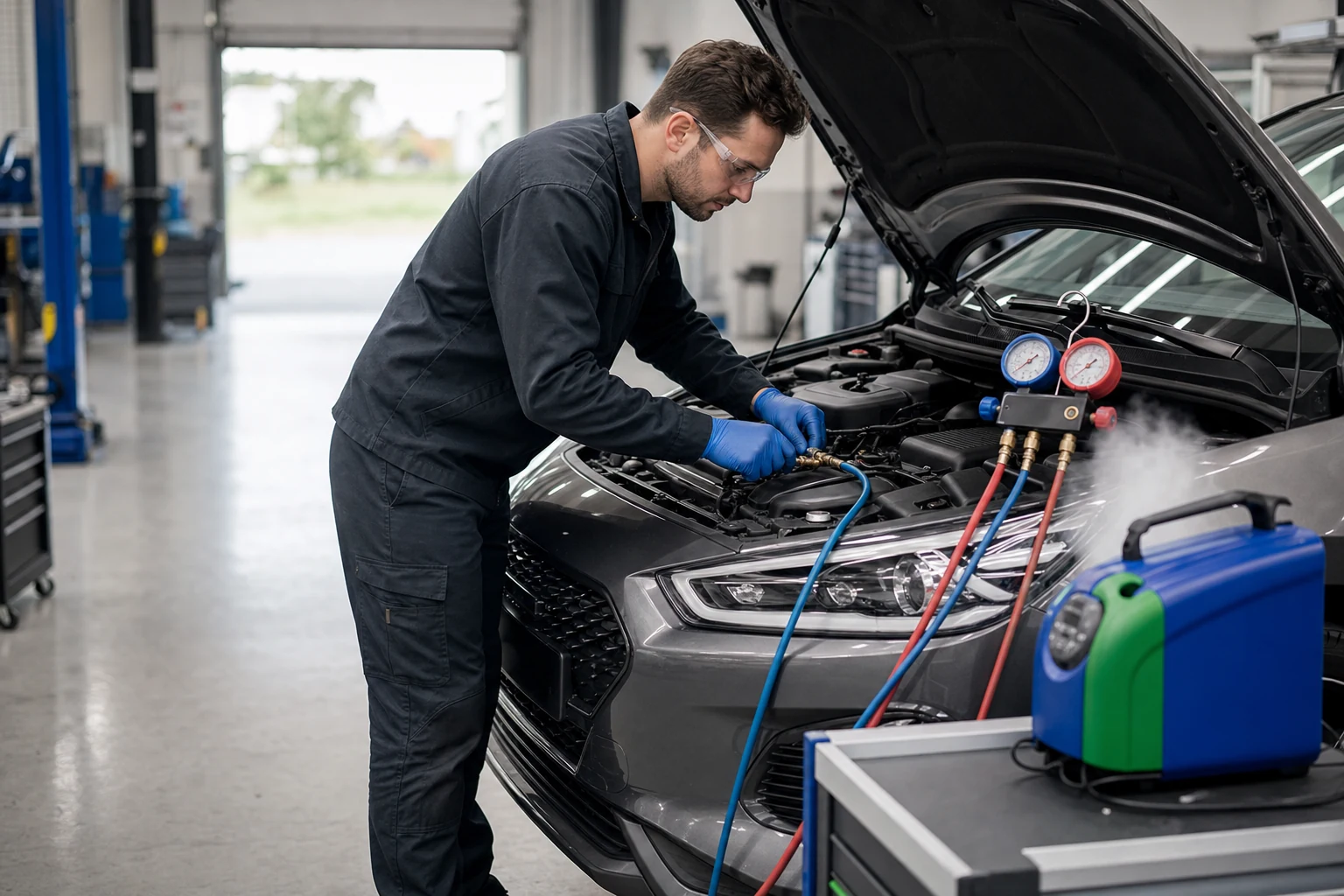
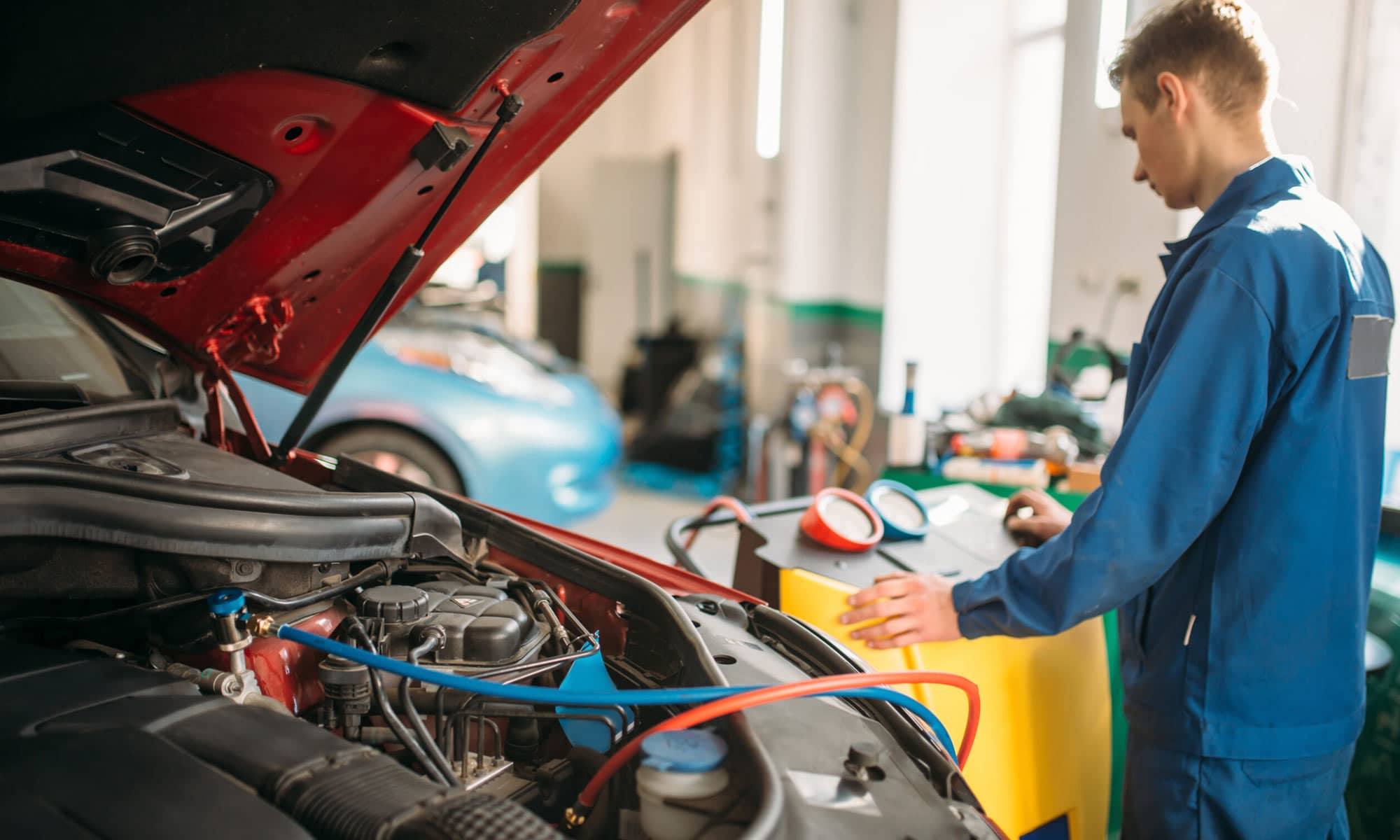
Before making a decision, it helps to know exactly what is wrong. A proper inspection can reveal whether the issue is minor or part of a wider failure.
Leak testing and system checks often prevent money from being spent in the wrong place.
This kind of assessment can also provide reassurance. Knowing that a repair is likely to last makes the decision easier, especially on an older car.
It allows owners to weigh cost against benefit with clearer information rather than guesswork.
Final Thoughts
Fixing car air con on an older vehicle is rarely a purely financial calculation. It sits somewhere between practicality, comfort and future plans for the car.
What feels unnecessary to one driver may feel essential to another.
The key is to look at the whole picture. Consider how the car is used, how long it is likely to be kept, and what the repair actually involves.
With the right information, even an older vehicle can justify having its air conditioning brought back to life.