

Your car’s air conditioning isn’t just a summer luxury — it’s a key part of your vehicle’s comfort and safety. From demisting windscreens in the winter to keeping you cool in the heat, a properly functioning air con system is essential. But when it stops performing as it should, how do you know whether it needs a simple re-gas, or something more serious?
In this article, we’ll help you understand the difference between re-gassing and replacing your air conditioning system — so you can make the right decision for your vehicle and your wallet.
How Car Air Conditioning Works (Briefly)
Your vehicle’s air con relies on a closed-loop system that includes a compressor, condenser, evaporator, and refrigerant. The refrigerant gas cycles through the system, absorbing and releasing heat to cool the air that blows into your cabin.
Over time, refrigerant levels naturally drop, reducing the system’s effectiveness. But a decline in performance doesn’t always mean you just need a top-up.
What is a Re-Gas?
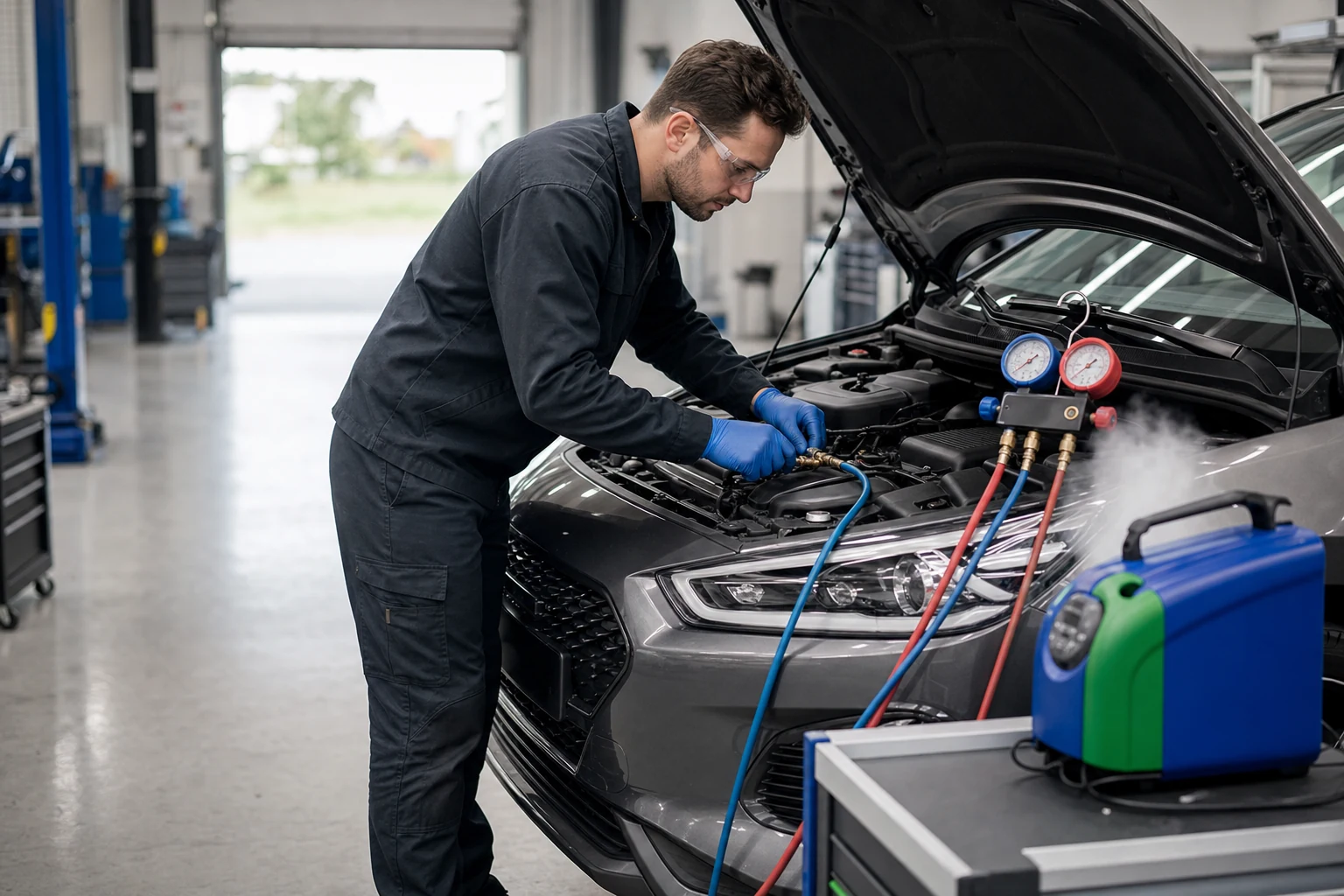
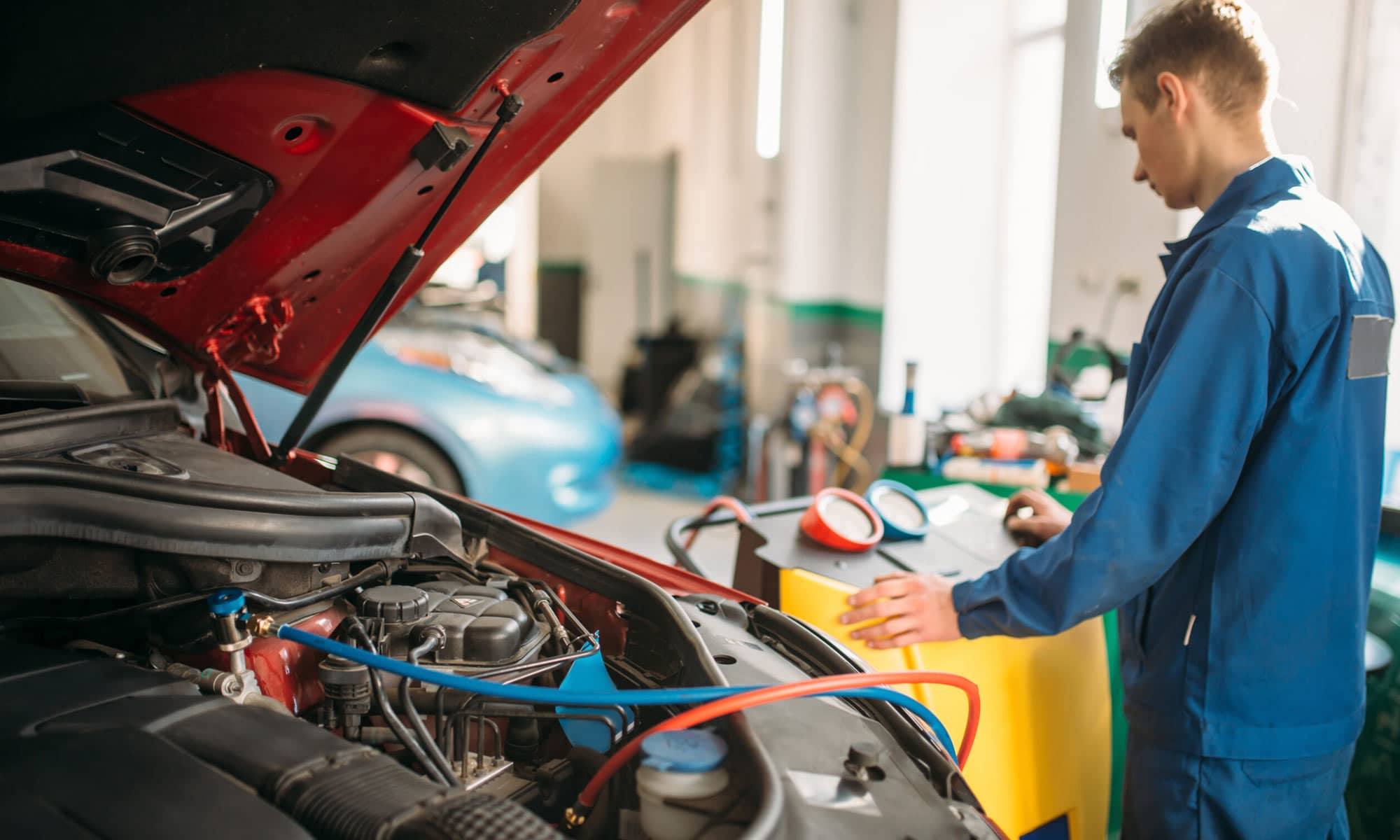
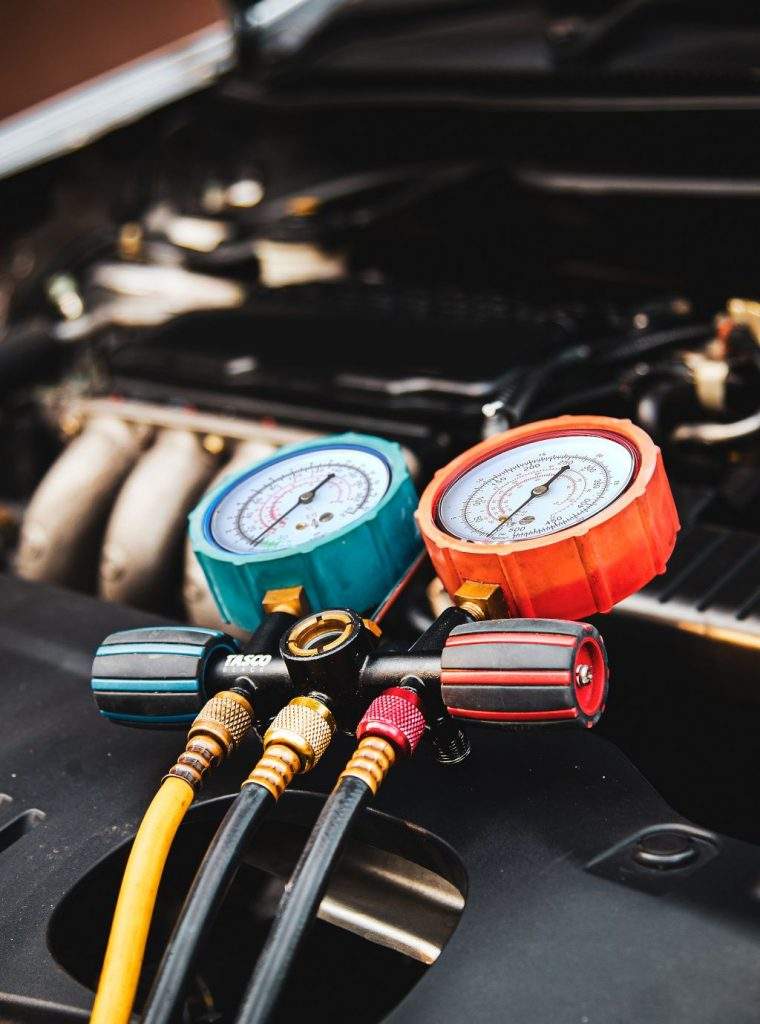
A re-gas — also known as an air con recharge — involves draining any remaining refrigerant and replacing it with new gas. This process restores the system’s cooling ability if the issue is simply low refrigerant.
Most manufacturers recommend re-gassing your air conditioning every 1 to 2 years, even if it still seems to be working. Over time, the system can lose around 10–20% of its gas annually, even without leaks.
When a Re-Gas is Enough
If your air con:
Is blowing warm air instead of cold
Still has good airflow and no strange noises
Doesn’t smell musty or foul
…it’s likely that a re-gas is all that’s needed. It’s a quick, cost-effective fix that restores performance and improves efficiency.
When It’s More Than a Re-Gas
If your system is suffering from:
Strange noises (clicking, grinding, or rattling)
Foul smells when the air con is on
Weak airflow despite full fan settings
Leaking fluids or oily residue around components
…it’s probably more serious than low gas. These could be signs of:
A failing compressor
Damaged or leaking pipes
A clogged condenser
Sensor or electrical faults
Simply re-gassing won’t fix these issues — and could mask the real problem temporarily, allowing it to worsen over time.
Why Diagnostics Matter
Guesswork isn’t good enough. A professional diagnostic check can save you from throwing money at the wrong solution. At Bon Air, we use tools like:
Pressure testing
UV dye leak detection
Electronic leak sniffers
This ensures we identify the real cause of the problem and recommend the most effective solution — not just a temporary fix.
Summary
If your car’s air con isn’t performing as it should, don’t assume a re-gas is the answer. While it’s often the quick fix, deeper issues may be lurking beneath the surface.
At Bon Air, we provide professional diagnostics and honest advice. Whether it’s a quick recharge or a necessary repair, we’ll keep you driving in comfort — all year round.
Book your air con inspection with Bon Air today — and stay cool, whatever the weather. Contact us