

Air conditioning is often taken for granted in modern cars. On a warm day, it is simply expected to cool the cabin quickly and keep journeys comfortable.
Over time, though, many drivers begin to notice small changes in how their system performs. These changes may seem minor at first, but they can sometimes suggest that the air con is no longer working as it should.
In some cases, a poorly maintained system can start causing more inconvenience than comfort.
Reduced performance, strange smells, or rising running costs are easy to dismiss, especially if the air con still “sort of works”. However, these early warning signs are often the first indication that something deeper may be developing.
Why Car Air Conditioning Needs Regular Attention
A car’s air conditioning system relies on a careful balance of pressure, refrigerant, and airflow. It works by circulating refrigerant through a series of components that absorb heat from inside the cabin and release it outside.
When everything is working properly, this process feels effortless and consistent.
Over time, seals can dry out, moisture can build up, and small leaks may appear. Without regular checks, these issues often go unnoticed.
As a result, the system may be forced to work harder than necessary, which increases wear and reduces its overall lifespan. Routine attention is likely to prevent many of these avoidable problems.
Weak or Inconsistent Cooling
One of the most common warning signs is an air conditioner that no longer cools effectively.
You may notice that the system takes much longer to chill the cabin, or that the temperature fluctuates during a journey. In some situations, it may feel cold at first and then gradually lose strength.
This behaviour is often linked to low refrigerant levels, minor leaks, or ageing components. When cooling becomes unreliable, the compressor has to work harder to compensate.
Over time, this extra strain can affect engine performance and increase the risk of costly mechanical failures.
Unpleasant Smells from the Vents
Musty or damp smells coming from the vents are another frequent complaint.
These odours often appear when the system is first switched on, particularly after the car has been parked for a while. While they may fade after a few minutes, they usually indicate a deeper issue.
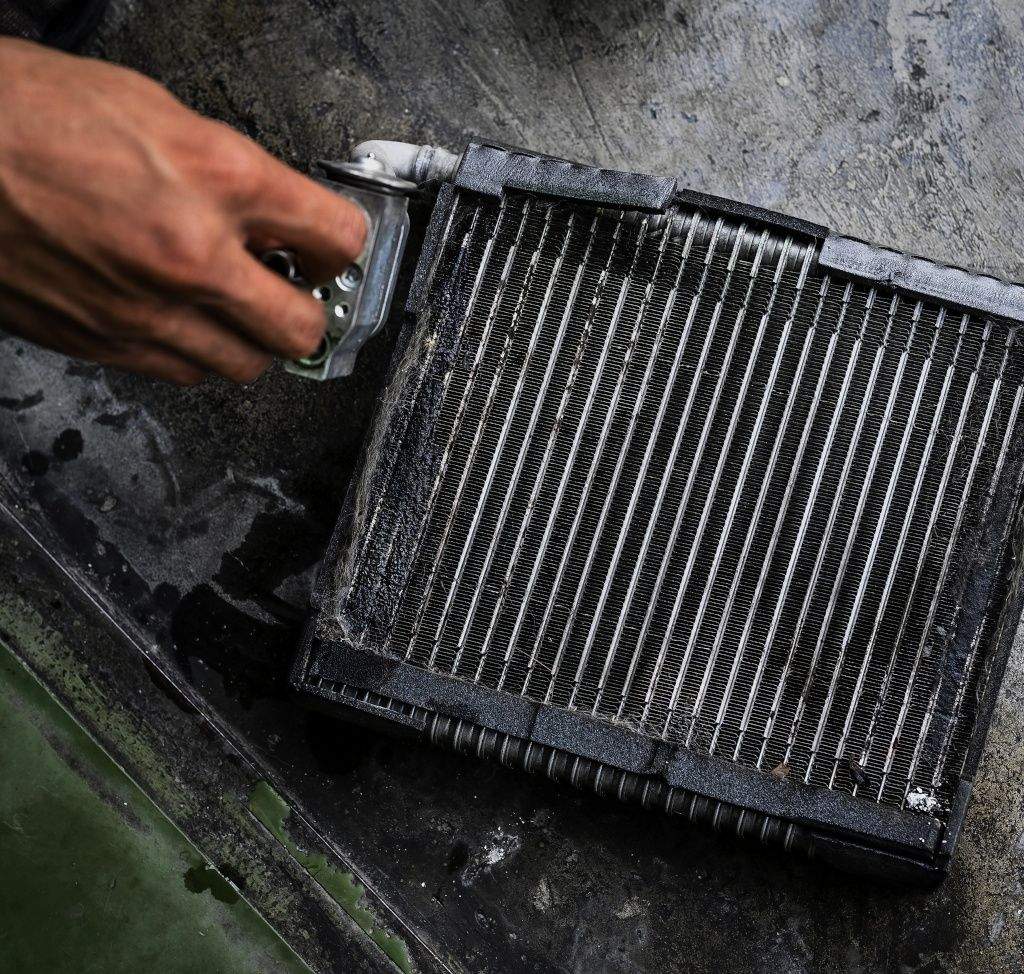
Bacteria and mould can develop inside the evaporator and air ducts where moisture collects. Once established, these microorganisms continue to spread each time the system runs.
Besides being unpleasant, they may also affect air quality inside the vehicle, which is not ideal for regular drivers or passengers.
Strange Noises When the System Is Running
A healthy car air conditioning system should operate quietly. If you begin to hear rattling, grinding, or clicking noises when it is switched on, this is rarely a good sign.
These sounds often appear gradually and become more noticeable over time.
Unusual noises may suggest worn bearings, loose components, or compressor issues. While the system may still function for a while, continuing to use it in this condition increases the risk of sudden failure.
Addressing these sounds early is likely to be far cheaper than waiting until major damage occurs.
Increased Fuel Consumption
Many drivers are surprised to learn how closely air conditioning performance is linked to fuel efficiency.
A well-maintained system places only a modest load on the engine. However, when faults develop, that load can increase significantly.
If your fuel consumption seems to be rising without any obvious reason, a struggling air conditioning system may be partly responsible.
An overworked compressor demands more energy, which leads to higher fuel usage and increased running costs over time.
Fogged Windows and Poor Demisting
Air conditioning plays an important role in keeping windows clear. Removing moisture from the air, it helps prevent condensation from forming on the glass. When the system is working properly, demisting should be quick and reliable.
If windows begin to fog more easily or take longer to clear, it may indicate that moisture control is no longer effective.
This can be particularly problematic in colder or wetter conditions, where poor visibility becomes a genuine safety concern rather than just an inconvenience.
Electrical or Dashboard Warning Issues
Modern vehicles rely heavily on electronic systems to manage air conditioning. Faults may sometimes trigger warning lights or cause control panels to behave unpredictably.
You might notice buttons that stop responding or displays that show incorrect information.
In some cases, air con problems can affect other electrical components as well. Sensors, wiring, and control units are all connected, so one fault may lead to several symptoms.
Professional diagnostics are often needed to identify the exact cause.
When Minor Issues Turn into Expensive Repairs
Small air conditioning faults rarely remain small for long. A minor refrigerant leak, for example, may initially cause only slightly weaker cooling.
Over time, though, it can lead to insufficient lubrication and serious compressor damage.
Similarly, blocked filters or contaminated systems can place extra pressure on multiple components.
What might have been a simple service can gradually turn into a major repair. Acting early is usually the most cost-effective approach in the long run.
How to Protect Your Car and Your Health
Regular servicing is one of the most effective ways to protect both your vehicle and your wellbeing. Professional inspections help identify leaks, pressure issues, and contamination before they become serious.
Cabin filter replacements also play an important role in maintaining clean airflow.
Simple habits can also make a difference. Running the air con occasionally during colder months helps keep seals lubricated, while switching it off shortly before parking may reduce moisture build-up.
These small steps can contribute to longer system life and better air quality.
When to Seek Professional Help
Basic checks, such as noticing changes in cooling or listening for unusual sounds, are useful.
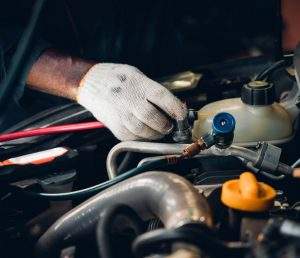
However, many air conditioning problems cannot be diagnosed accurately without specialist equipment. DIY solutions may sometimes mask the symptoms without addressing the root cause.
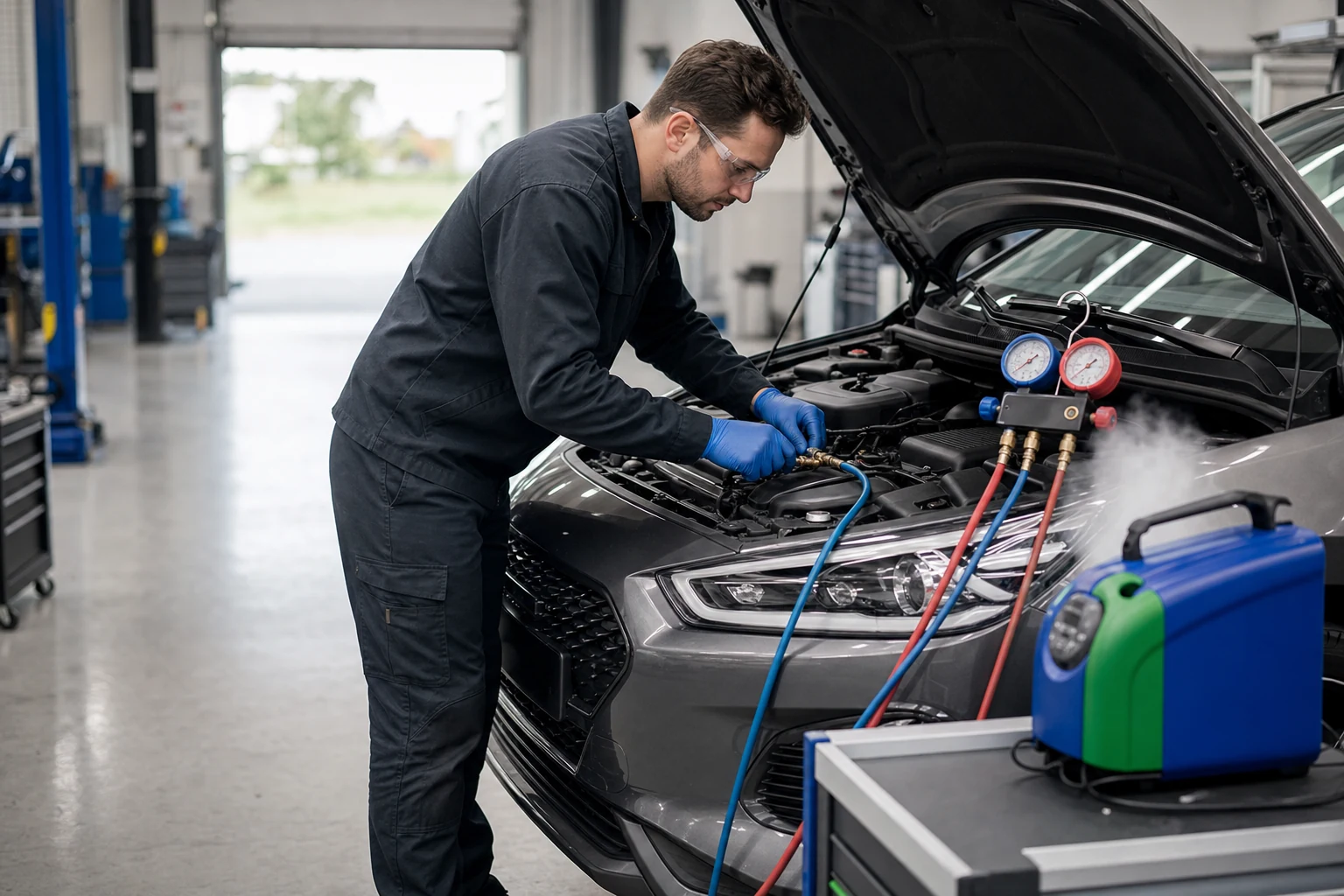
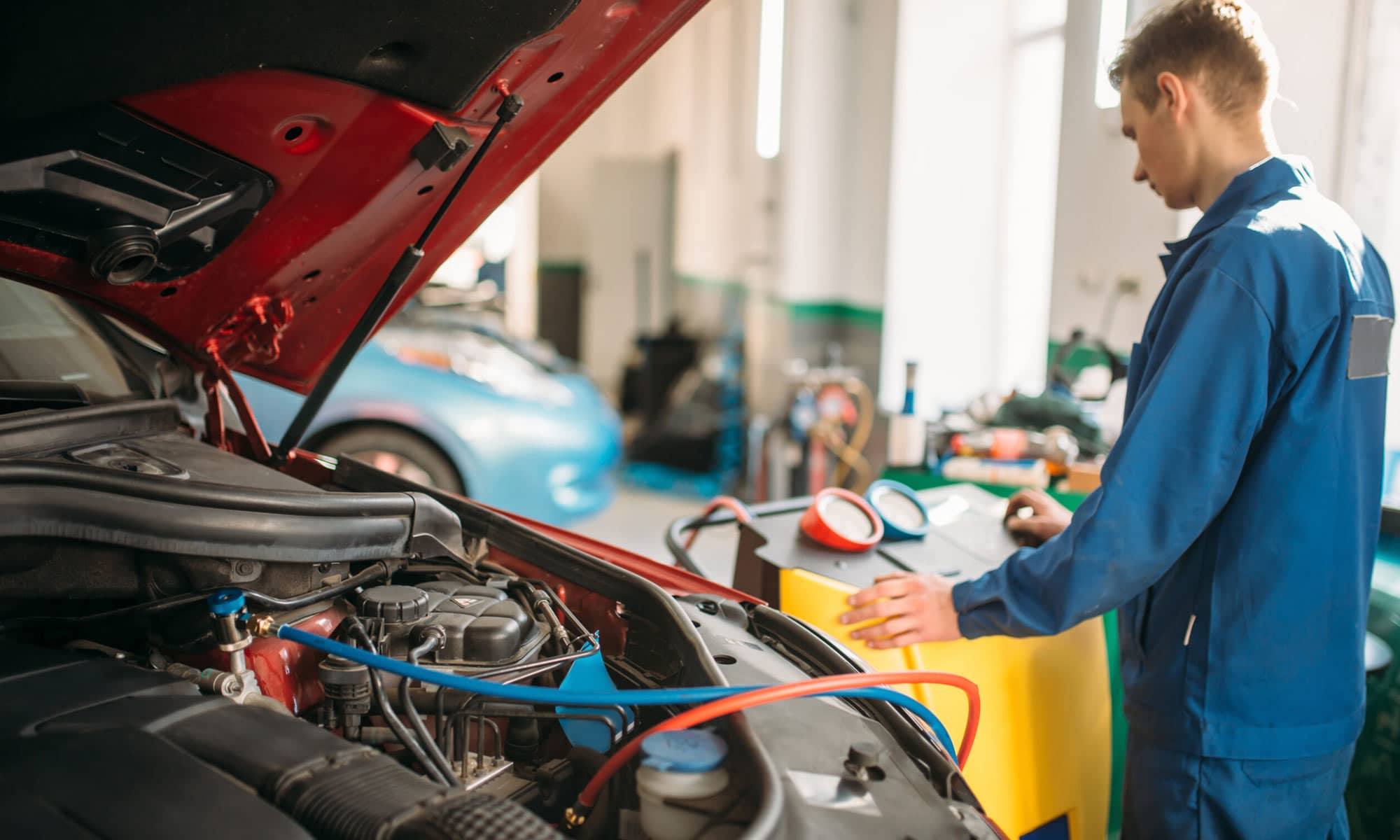
A professional inspection typically includes pressure testing, leak detection, and system cleaning where necessary.
Seeking expert help at the right time can restore performance, improve efficiency, and prevent unexpected breakdowns.
Conclusion
Car air conditioning should enhance every journey, not create extra problems. Weak cooling, strange smells, rising fuel costs, and visibility issues are all signs that something may be wrong.
Paying attention to these changes allows drivers to act before serious damage develops.
With regular maintenance and timely servicing, most air conditioning systems remain reliable for many years.
Taking a proactive approach not only improves comfort but also protects your vehicle’s value and long-term performance. In many cases, a small investment today can prevent far greater expense tomorrow.