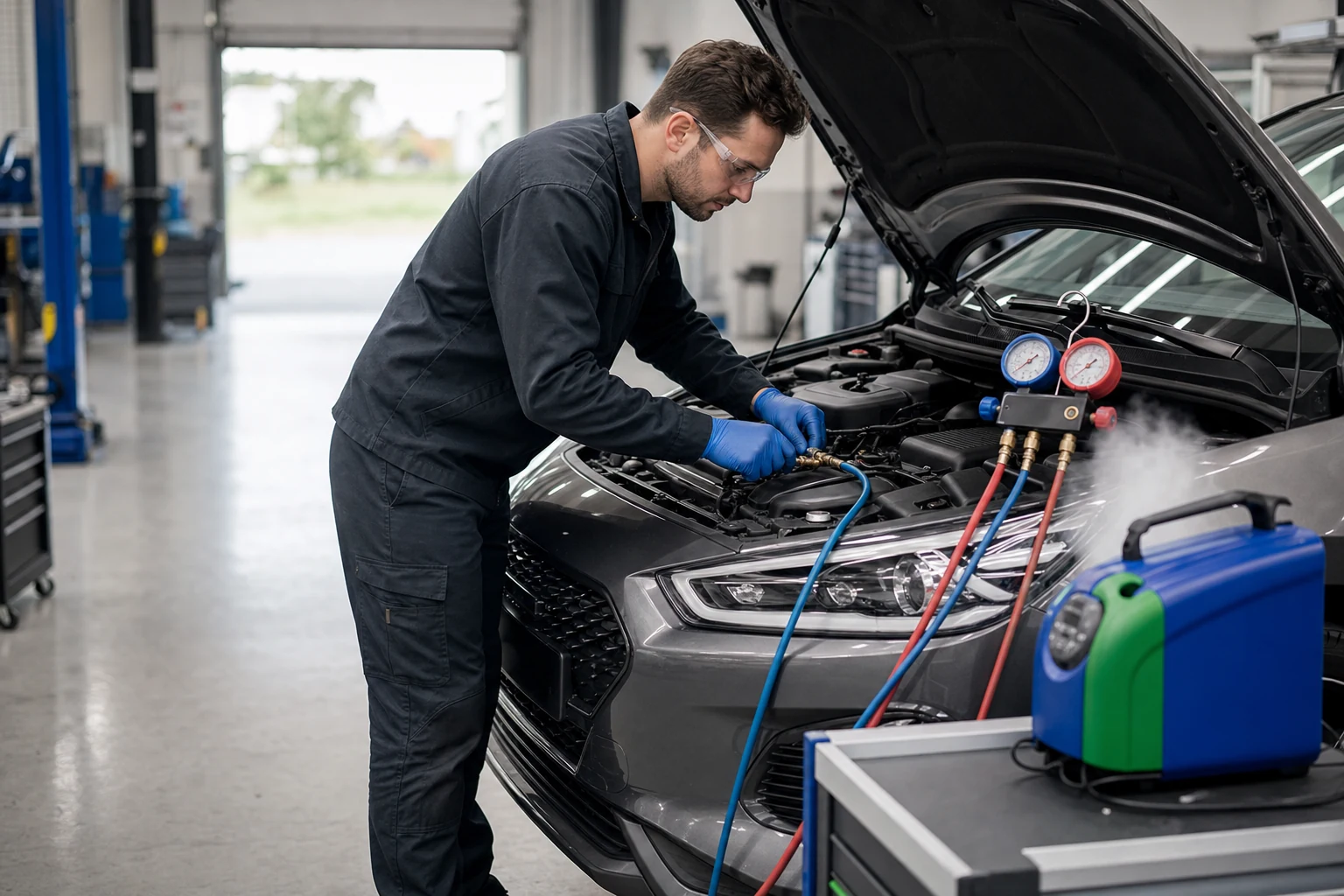


Did you know that your car’s air conditioning system could be making your allergies worse instead of better? For many of us in the UK, where pollen counts soar in spring and summer, a car should be a sanctuary from sneezing fits and itchy eyes. Yet, if your AC isn’t maintained, it might be doing the opposite. In this deep dive, we’ll explore how a neglected car air conditioning system can worsen allergies, share practical cleaning tips, and explain why professional care—like Bonair’s antibacterial treatments—can help you breathe easier.
How Your Car’s AC Affects Air Quality
Your car’s air conditioning isn’t just about keeping you cool on a rare sunny day. It filters the air, removes humidity, and circulates a fresher breeze inside the cabin. Sounds brilliant, right? But here’s the catch: when it’s not looked after, it can become a breeding ground for allergens.
In the UK, where 1 in 5 people suffer from hay fever (according to NHS figures), clean air in your car is crucial. A clogged cabin air filter lets pollen, dust, and pollutants slip through, while damp parts of the system—like the evaporator coil—can harbour mould and bacteria. Suddenly, that refreshing blast of air turns into a sneeze-inducing nightmare. With Britain’s damp climate and pollen-heavy seasons, the stakes are higher than you might think.

The Culprits – Dirty Filters and Mould
So, what’s going wrong under the bonnet? Let’s break it down.
Dirty Filters
The cabin air filter is your AC’s first line of defence, trapping pollen, pet dander, and road dust. But over time—especially on Britain’s rural lanes or busy motorways—it gets clogged. You might notice weaker airflow, a musty whiff, or worse, a sudden uptick in allergy symptoms like sneezing or watery eyes. A blocked filter can’t do its job, letting allergens flood your car.
Mould Growth
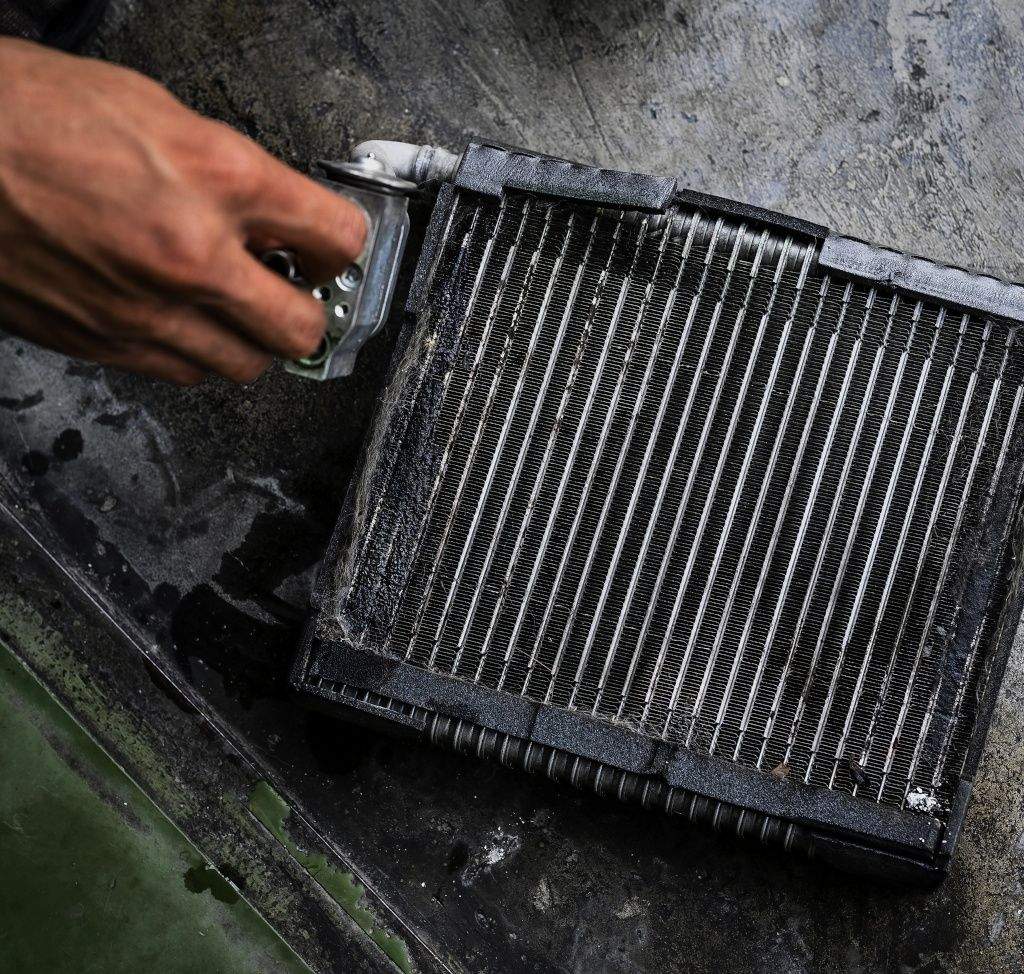
Then there’s mould. The AC cools air by removing moisture, but that water can linger in the evaporator coil if the system sits idle—say, over a damp British winter. In a humid climate like ours, this is a recipe for mould and bacteria to thrive. Once airborne, those spores can trigger asthma or allergic rhinitis, as Allergy UK warns. Picture your AC as a hidden sponge: if it’s not dried out or cleaned, it soaks up trouble.
Cleaning Tips for a Healthier Car AC
You don’t need to be a mechanic to keep your AC in check. Here are some simple steps to start with:
- Check the Cabin Filter: Most filters hide behind the glovebox—pop it open and have a look. Replace it every 12-18 months, or sooner if you’re driving through peak pollen months like June and July. A new filter costs less than a takeaway coffee and makes a world of difference.
- Run the AC Regularly: Even in winter, switch it on for 10 minutes once a month. This dries out moisture and stops mould taking hold.
- Ventilate First: Before cranking the AC, open the windows for a minute to flush out stale air trapped inside.
That said, DIY has its limits. You can’t reach deep mould or bacteria lurking in the evaporator with a quick wipe-down. That’s where the pros come in—more on that shortly. A top tip for UK drivers? Keep a spare filter handy for a quick swap when the Met Office issues pollen warnings after a wet summer spell.
Antibacterial Treatments – The Professional Edge
For a proper fix, consider an antibacterial treatment. These specialised cleanings—like the ones Bonair offers—go beyond what you can manage at home. They sanitise the entire AC system, wiping out mold and bacteria in hard-to-reach spots.
Why bother? A deep clean doesn’t just kill off allergens—it restores that crisp, fresh air you deserve, especially on long commutes or school runs. For allergy sufferers, it’s a game-changer. Bonair’s experts use advanced treatments to ensure your AC fights hay fever, not fuels it—perfect for tackling Britain’s unpredictable seasons. With spring pollen surges just around the corner, booking a service now could save you a summer of sniffles.
When Allergies Strike – Timing and Prevention
In the UK, pollen season is no joke. Here’s when to watch out:
- Tree Pollen: March to May—birch and oak kick things off.
- Grass Pollen: May to July—the peak of hay fever misery for most.
- Weed Pollen: July to September, with nettles and ragweed lingering late.
To stay ahead, schedule AC maintenance in late winter—February or March—before the first blossoms hit. Pair that with smart habits, like keeping windows up on high pollen days (check the Met Office app for forecasts). A clean AC can even cut your reliance on antihistamines, leaving you clearer-headed behind the wheel.
Summary
Your car’s air conditioning should be an ally against allergies, not a secret enemy. Dirty filters and mold can turn a quick drive into a health hazard, but with a bit of care—and the right professional help—you can keep the air flowing clean. As the UK gears up for another pollen-heavy spring, now’s the time to act. Contact Bonair for an antibacterial treatment and drive allergy-free this season. Here’s to clearer air and happier journeys!